 EN
EN
 CN
CN
 fr
fr es
es ar
ar ru
ru de
de pt
pt tr
tr vi
vi it
it ja
ja ko
ko hi
hi
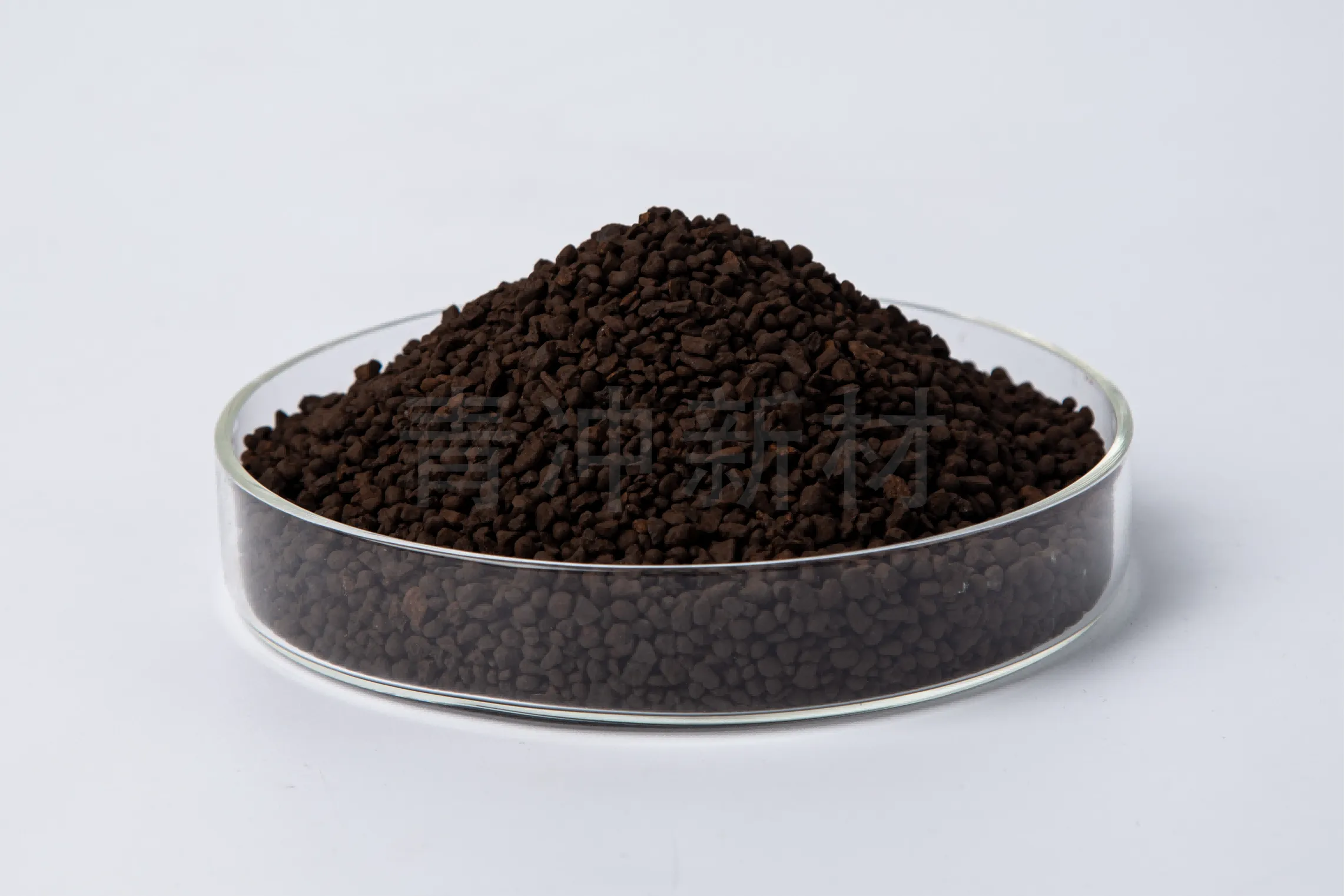
How a Manganese Oxide Surface Differs from an Oxide Granule
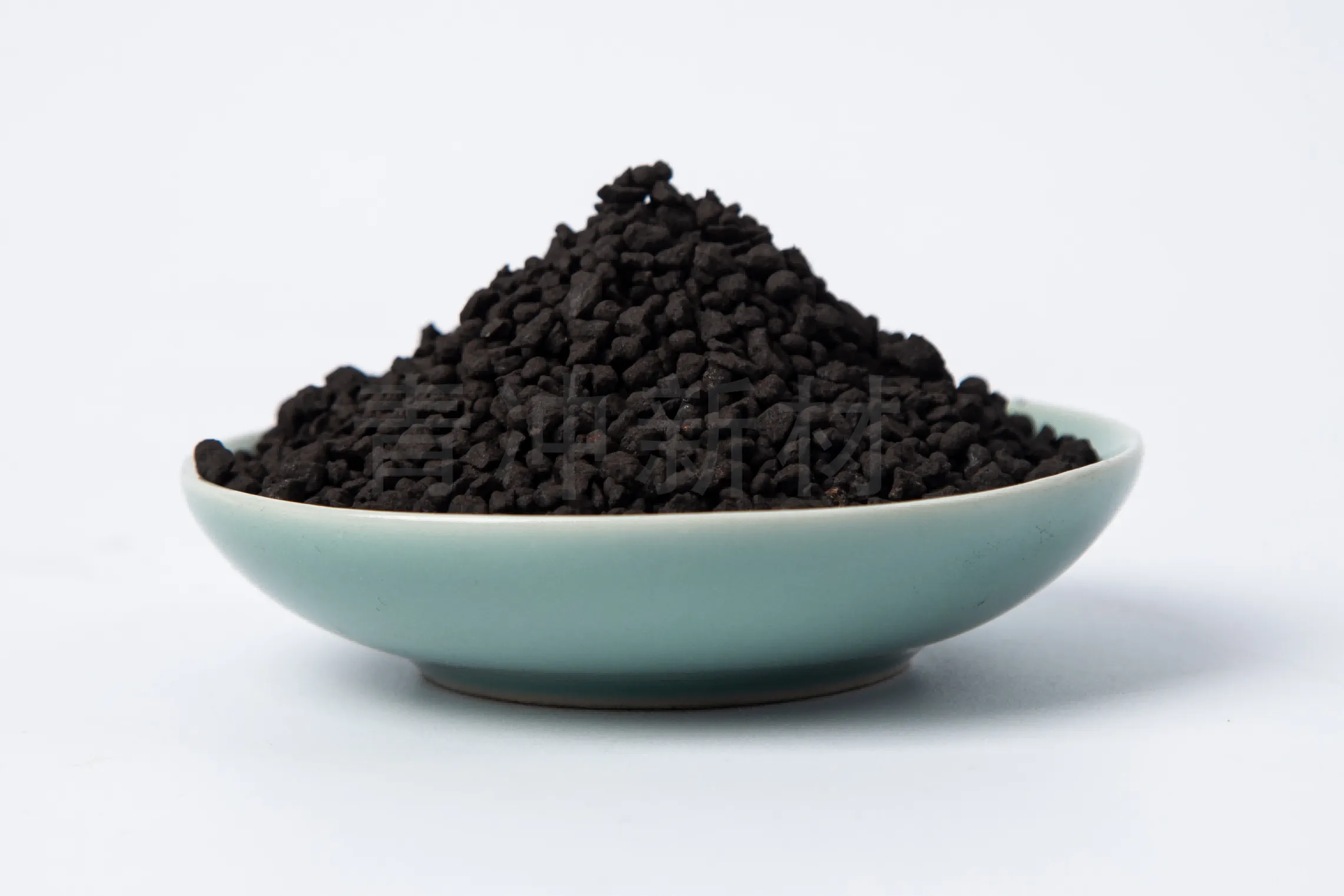
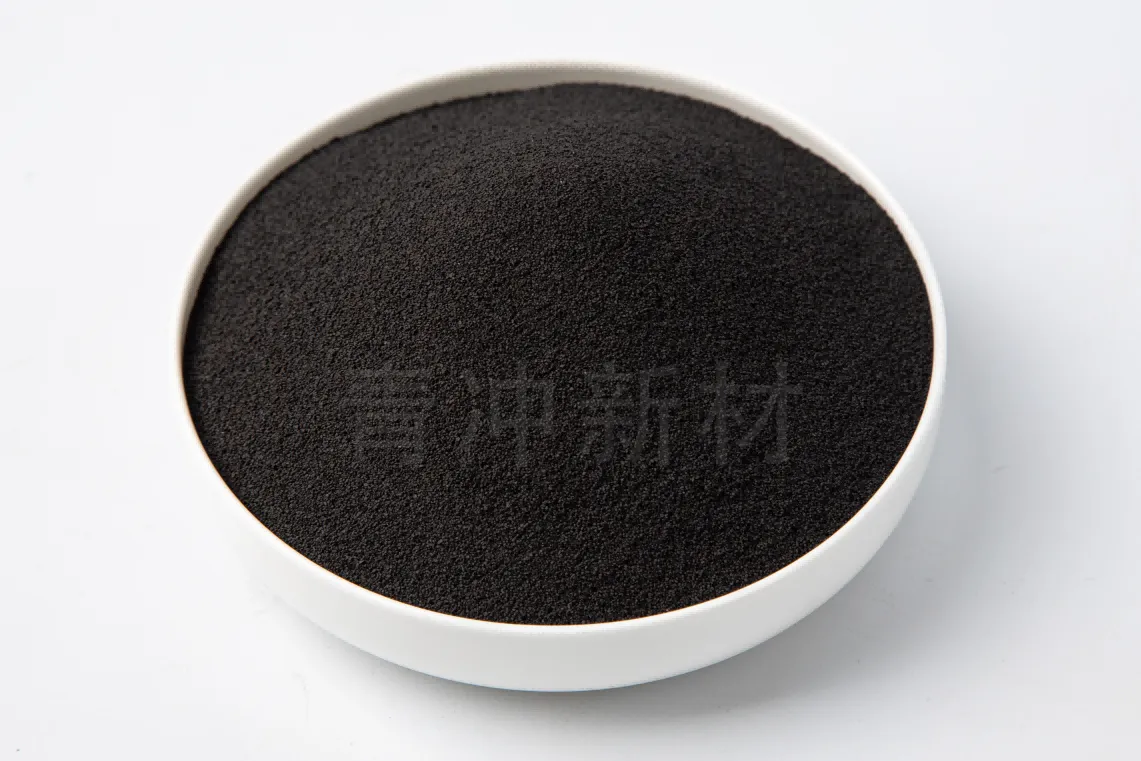
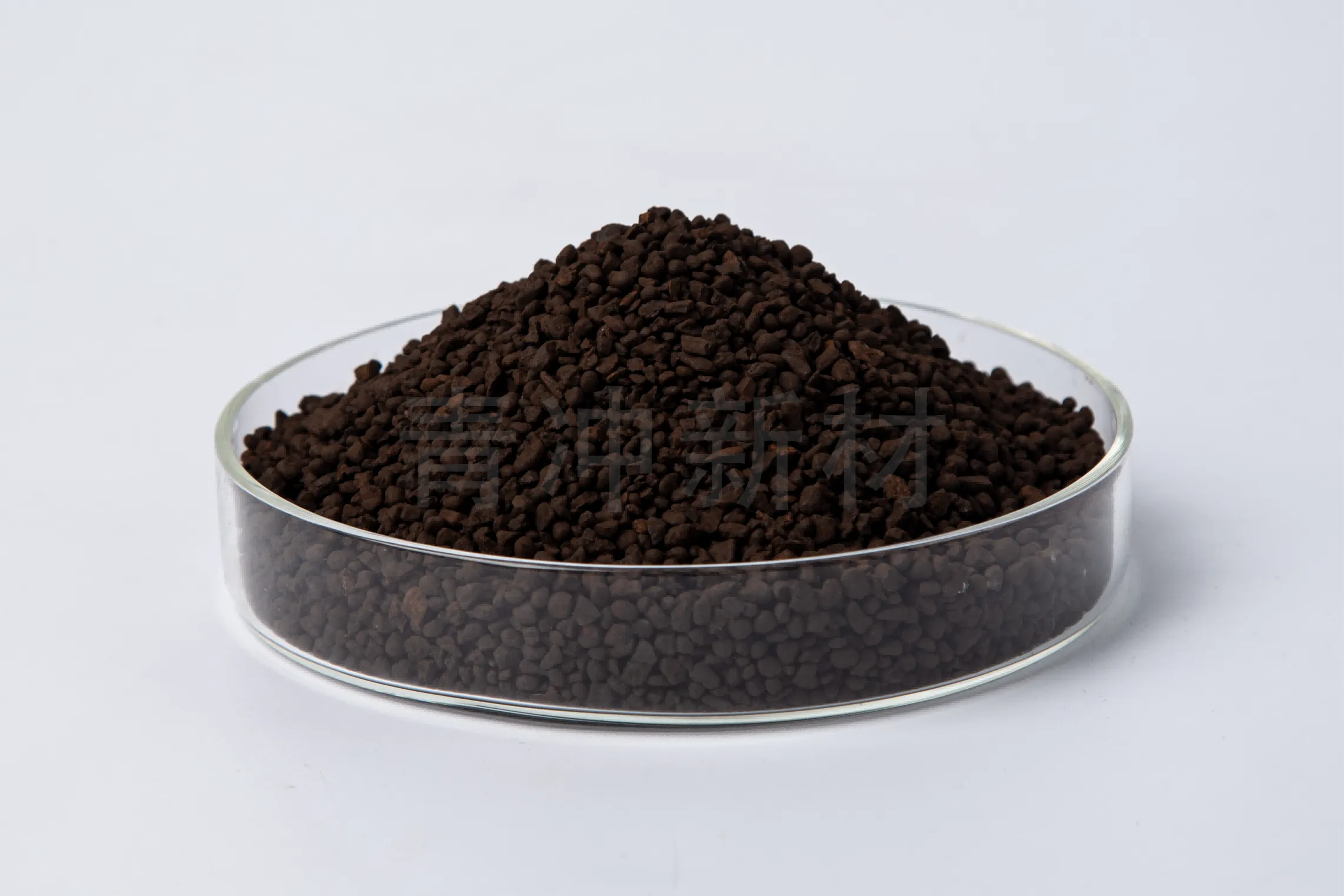
The material's structure determines what a process can reasonably ask it to do. A manganese oxide coating places a reactive surface on another particle, commonly described as sand in filter-media discussions. Water passes through the spaces between particles while dissolved species encounter the media surface. Depending on the water chemistry and operating method, manganese oxide surfaces can participate in oxidation or adsorption processes. That description does not establish a removal rate for any particular medium. An oxide granule has a different physical identity: its manganese-bearing content is part of the particle rather than merely a named surface layer. For industrial use, its composition and particle behavior may matter more than any filter-media description. The supplied QingChong information does not say which structure, if either, it offers under the term sand manganese oxide. A useful technical description should therefore identify the substrate, if one exists, and distinguish surface treatment from bulk composition. It should also state how the reported manganese or oxide content is measured. Without those details, two samples that look similar as loose grains may represent different materials and cannot be evaluated on appearance alone.