productlist

Manganese (II) Carbonate Charges for Industrial Batches

manganese (II) carbonate charges

A production team asking about manganese (II) carbonate charges may mean the weighed amount of manganese carbonate added to a batch. A purchasing team may instead mean the price charged for that material. Those are different questions, and neither can be answered responsibly from the product name alone. Manganese(II) carbonate, commonly written MnCO3, is a manganese compound that can serve as a manganese source in suitable processes. Its usefulness depends on what the process does to the carbonate and how much manganese the finished material must contain. This page treats a charge primarily as a proposed batch input, while also identifying the information needed for a commercial inquiry. It is intended for formulators, process engineers and industrial buyers evaluating manganese-containing raw materials. QingChong New Materials manufactures manganese chemicals, but no product-specific carbonate grade, assay or commercial terms have been supplied here. Before fixing a batch quantity or requesting a quote, buyers should establish the target manganese input, process conditions and required material specification.

Technical Detail

Configured around process stability, mold life, and long-term uptime.

The practical question behind manganese (II) carbonate charges is where a carbonate-based manganese source fits in a production workflow. A buyer may be sourcing an input for a manganese compound process or assessing it as an ingredient in another industrial formulation. In either case, the charge is part of a defined recipe: changing the raw material without reviewing its chemistry and quality requirements can change the result. The term does not, by itself, identify a grade, particle size, purity level or packaged product. QingChong New Materials is a Chinese manganese chemical manufacturer integrating R&D, production and sales. The company is located in the Xiangtan Manganese Mine area and reports more than 20 years of industry experience. Those are relevant supplier credentials, but they do not establish that a particular manganese(II) carbonate grade is available. For a proposed use, the meaningful product details would include a current specification, an assay or other stated basis for manganese content, impurity limits and any physical-property requirements set by the process. None of those carbonate-specific figures has been provided, so this page does not assign a charge rate or describe an unverified grade. It instead frames the material as a candidate manganese source whose suitability must be checked against the buyer's recipe and a confirmed supplier document. That distinction matters especially when the same word, "charges," could refer either to material added to a vessel or to purchasing costs.

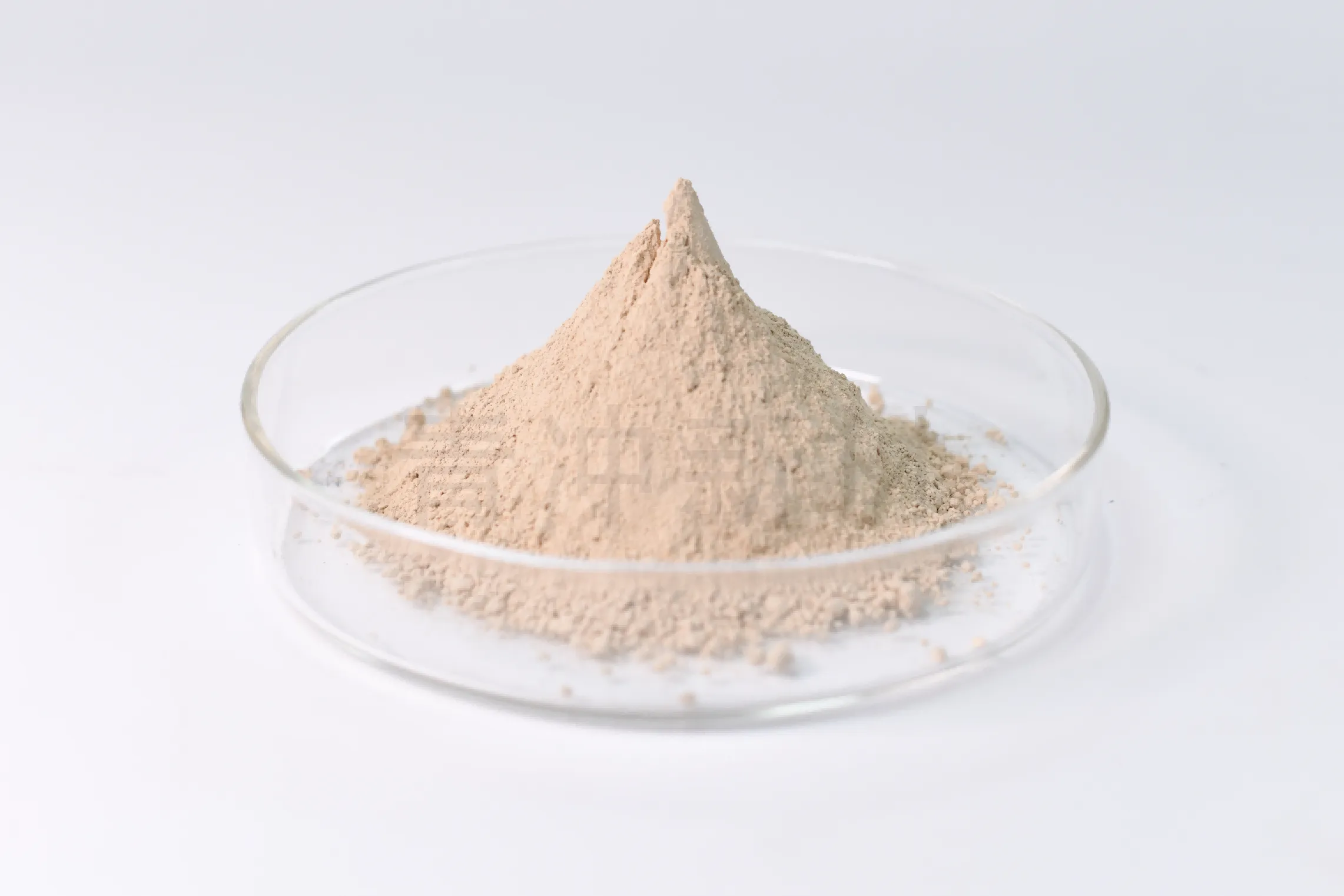
Manganese Carbonate (MnCO₃)

What a Carbonate Charge Contributes to a Batch

Manganese(II) carbonate has the formula MnCO3: it contains manganese in the +2 oxidation state together with carbonate. In batch terminology, a charge is the quantity of raw material introduced at a specified stage, rather than an intrinsic property of the compound. The mass of a manganese(II) carbonate charge and the mass of manganese it supplies are therefore different quantities. On a purely theoretical basis, MnCO3 contains about 47.8% manganese by mass. That figure follows from the chemical formula; it is not a certified assay for any commercial shipment. Moisture, non-carbonate material and other constituents can affect the manganese delivered by an actual lot. Carbonate chemistry also matters during processing. In an acidic system, carbonate may react while releasing carbon dioxide; under suitable heating conditions, manganese carbonate can decompose. The resulting behavior depends on the full recipe and operating conditions, not just the name of the raw material. Process engineers should therefore distinguish theoretical formula-based calculations from a charge calculated using a verified material specification.
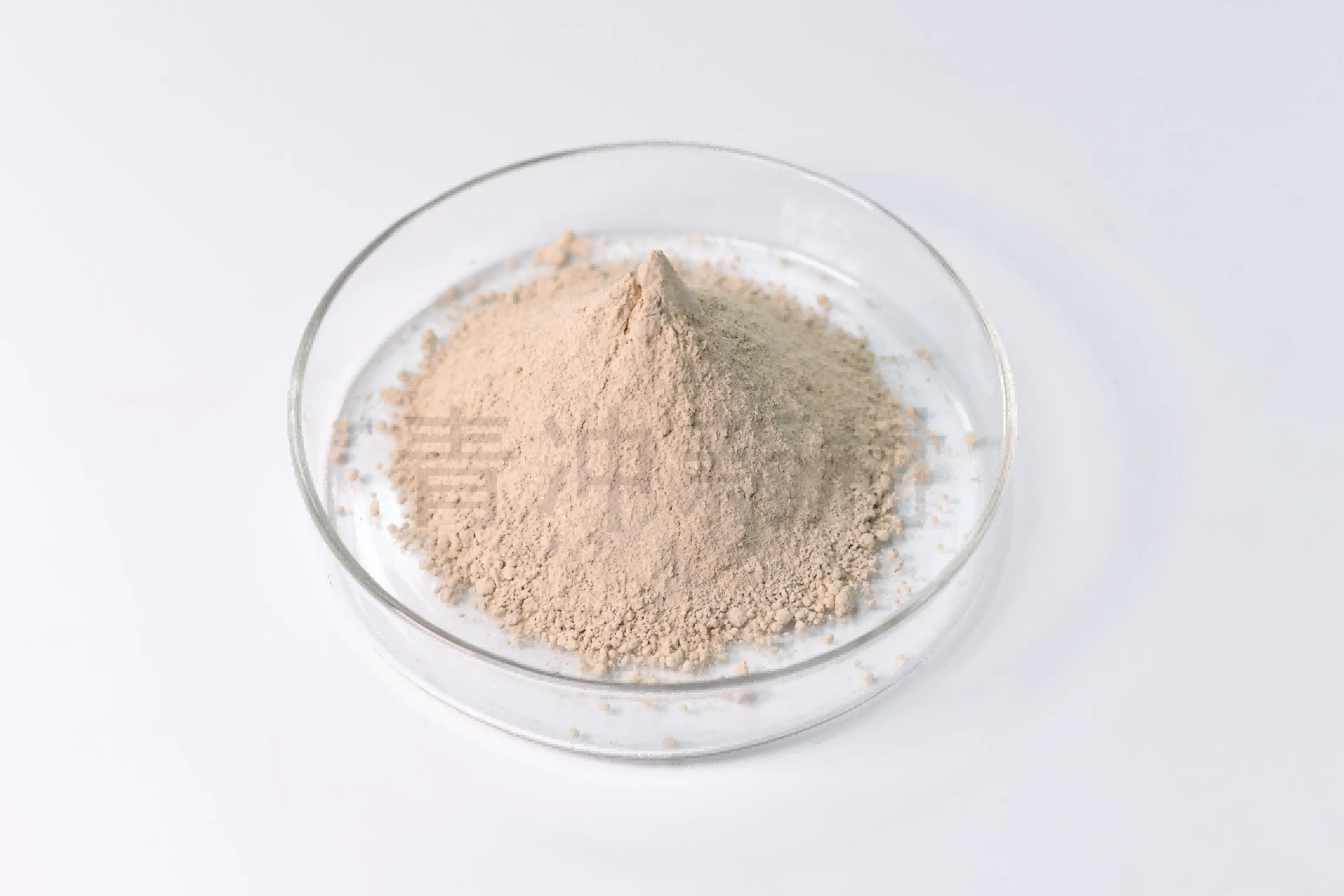
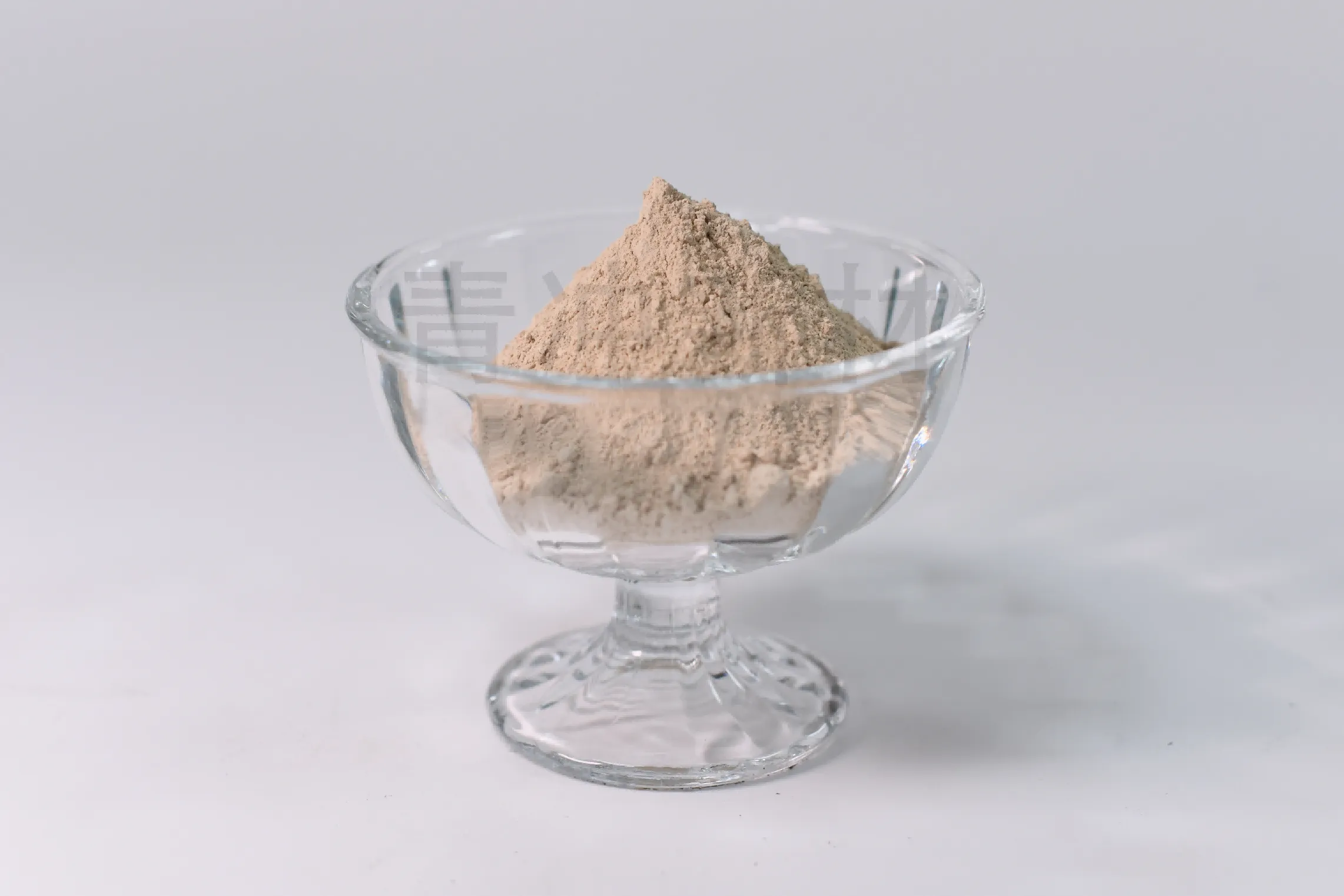
Manganese Carbonate (MnCO₃)

Check the Process Before Setting a Charge Amount

Whether manganese(II) carbonate is appropriate depends on what happens after it enters the process. For an acid-contact step, assess how the carbonate reaction will affect gas evolution, mixing and the intended chemistry. For a heated step, assess whether decomposition is expected and whether the downstream operation can accommodate it. A process that needs a rapidly dissolving input under its actual conditions should not assume that every manganese compound will behave alike. The required impurity profile also follows the end use: a constituent tolerated in one industrial route may be unsuitable in another. These are evaluation questions, not claims about a QingChong carbonate grade. The available company information provides no carbonate-specific solubility, particle-size distribution, impurity limits or thermal-processing guidance. Buyers can make an initial judgment by documenting the process medium, temperature range, order of addition, target manganese concentration and acceptable by-products. If the material will replace an existing manganese source, compare both options on delivered manganese and process behavior, rather than substituting equal raw-material masses without calculation.

Manganese Carbonate (MnCO₃)

Information to Confirm Before an Inquiry

Start with the intended meaning of "charges." If the question concerns batch loading, provide the target manganese input or finished-product specification, proposed batch size and the point at which the raw material enters the process. State whether the operation involves acid contact, heating or another condition that could make carbonate behavior important. Include the impurity limits and physical-property requirements your process already uses; if they are not yet defined, identify the existing material or process result used as a benchmark. Ask QingChong to confirm whether it supplies manganese(II) carbonate for that application and, if so, to provide the applicable current specification and lot-level quality documentation. Calculate a proposed charge only after confirming the manganese-content basis for the material being offered. If "charges" means purchase costs, request a quotation using the confirmed grade, required quantity, destination and any packaging requirements. No price, minimum order quantity, lead time or carbonate-specific configuration is stated in the supplied information, so each would need direct confirmation rather than an assumption drawn from this page.

News

Industry updates

Products

Production modules

Why Choose Us

A Manganese-Focused Supplier for a Better-Documented Inquiry

QingChong New Materials brings a manganese-focused background to conversations about prospective manganese(II) carbonate charges. Its operations combine R&D, production and sales, and the company reports more than 20 years of industry experience. Its location in the Xiangtan Manganese Mine area connects it to an established manganese production base. These points make it reasonable to bring a defined technical inquiry to QingChong; they are not substitutes for confirmation of carbonate availability or a current product specification. The company states that it uses a strict quality control system and holds multiple invention patents obtained in cooperation with local universities. It passed ISO9001:2008 quality management system certification in July 2010, though that dated statement should not be read as evidence of a current certificate without verification. QingChong also presents information through a 14-language website for international audiences. For a buyer, the useful next step is to align the process requirement with a documented material offering: confirm the grade, obtain its applicable quality documents and discuss how the proposed charge will be calculated. That gives both technical and purchasing teams a common basis for review.

FAQ

Common technical questions

Is a manganese(II) carbonate charge the same as the manganese content added?

No. The charge is the mass of raw material added; manganese content is the portion supplied by that material. The formula MnCO3 gives a theoretical manganese fraction of about 47.8%, but use the confirmed assay or specification for an actual lot.

Can I use manganese(II) carbonate in an acid-based process?

It may be chemically relevant, but carbonate can react with acid and release carbon dioxide. Check whether that reaction fits the process, including the addition method and gas-handling arrangements, before setting a batch charge.

What should I check when trialing a new lot?

Compare its supplied quality document with the approved specification, then verify the charge calculation against the stated manganese-content basis. Follow your site's established handling and trial procedures; no QingChong carbonate-specific operating instructions were provided.

Does QingChong offer a specific manganese(II) carbonate grade?

The supplied information identifies QingChong as a manganese chemical manufacturer but does not list a carbonate grade. Send the required application and specification to confirm availability before treating any grade as an offered product.

If I mean the price charged, what information should accompany my inquiry?

Clarify that you need a quotation, then provide the required grade or specification, quantity, destination and packaging needs. Pricing and other commercial terms must be confirmed directly; none were supplied here.

Need a solution for your project?

Share your product type, target capacity, and application requirements. Our team can review the details and recommend a practical next step.

Contact Us
Whatsapp
WeChat

CONTACT US

Office Address:21/F,Zhonghan Fortune Building,Ji'an Road, Yuetang District,Xiangtan,Hunan,China

Factory Address: Heling Town, Yuhu District, Xiangtan City, Hunan Province, P.R.China

WhatsApp: 8613786275365

Fax: 86-731-52326088

E-mail: [email protected]