 EN
EN
 CN
CN
 fr
fr es
es ar
ar ru
ru de
de pt
pt tr
tr vi
vi it
it ja
ja ko
ko hi
hi
What Manganese(II) Carbonate Does During Glaze Firing
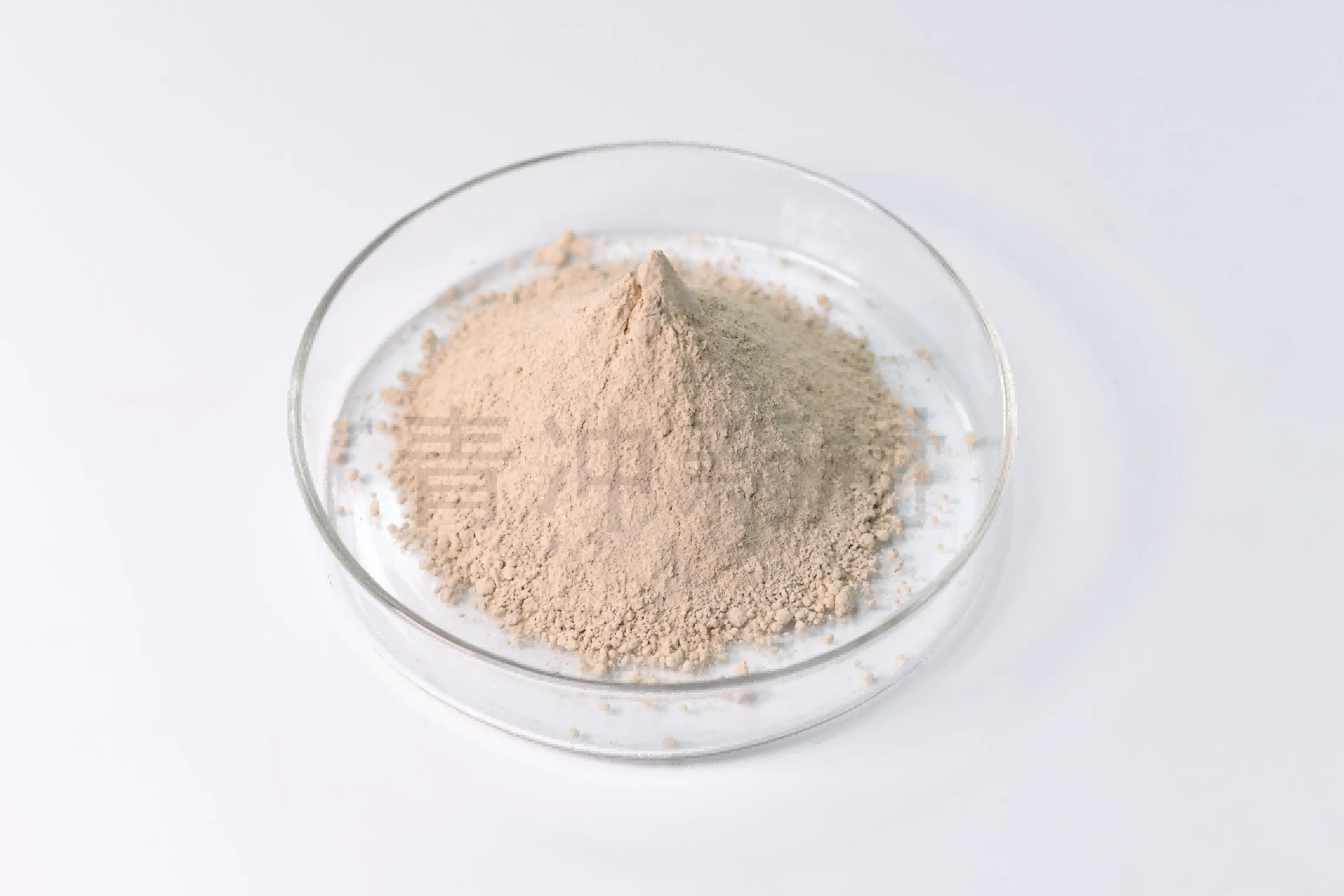
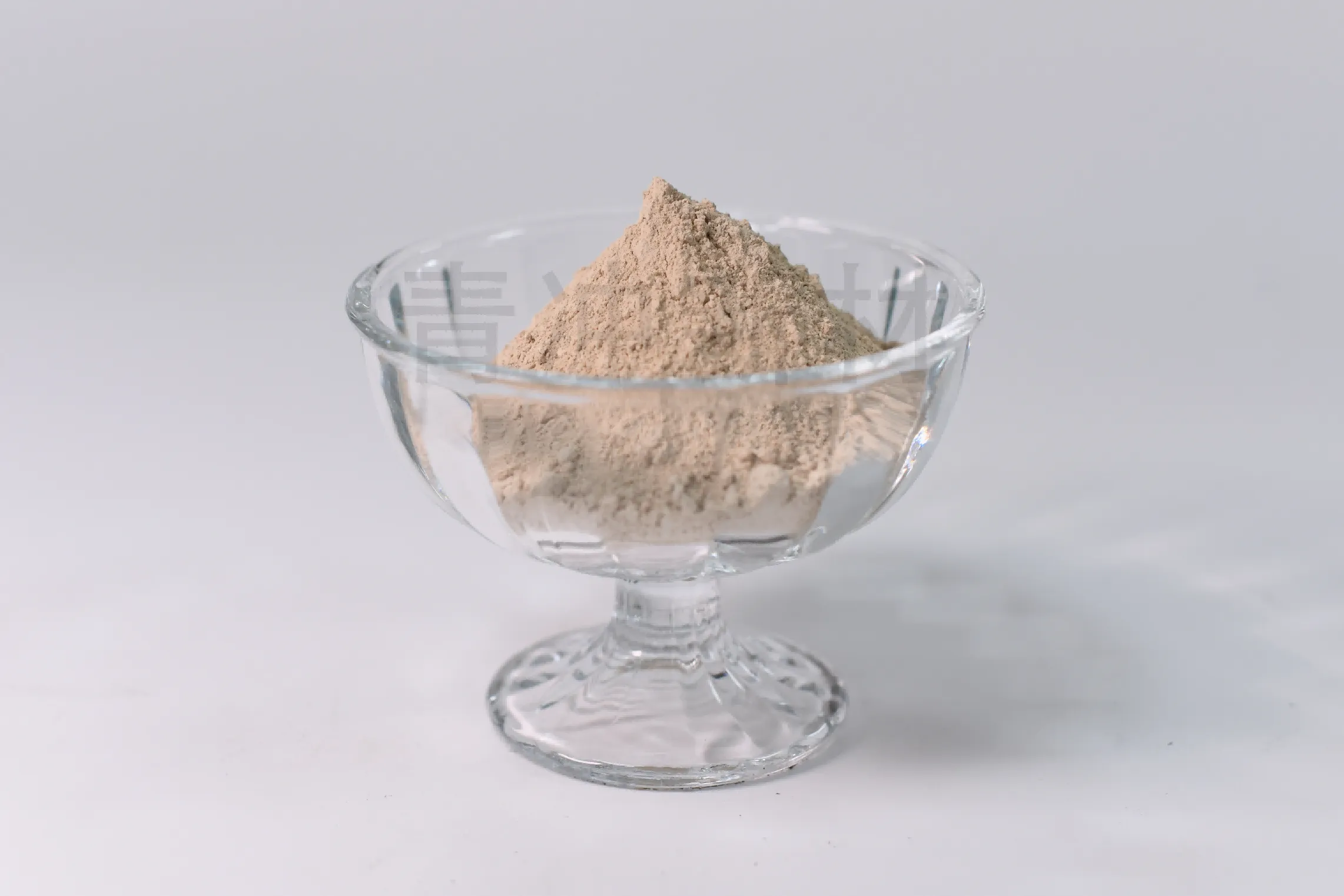
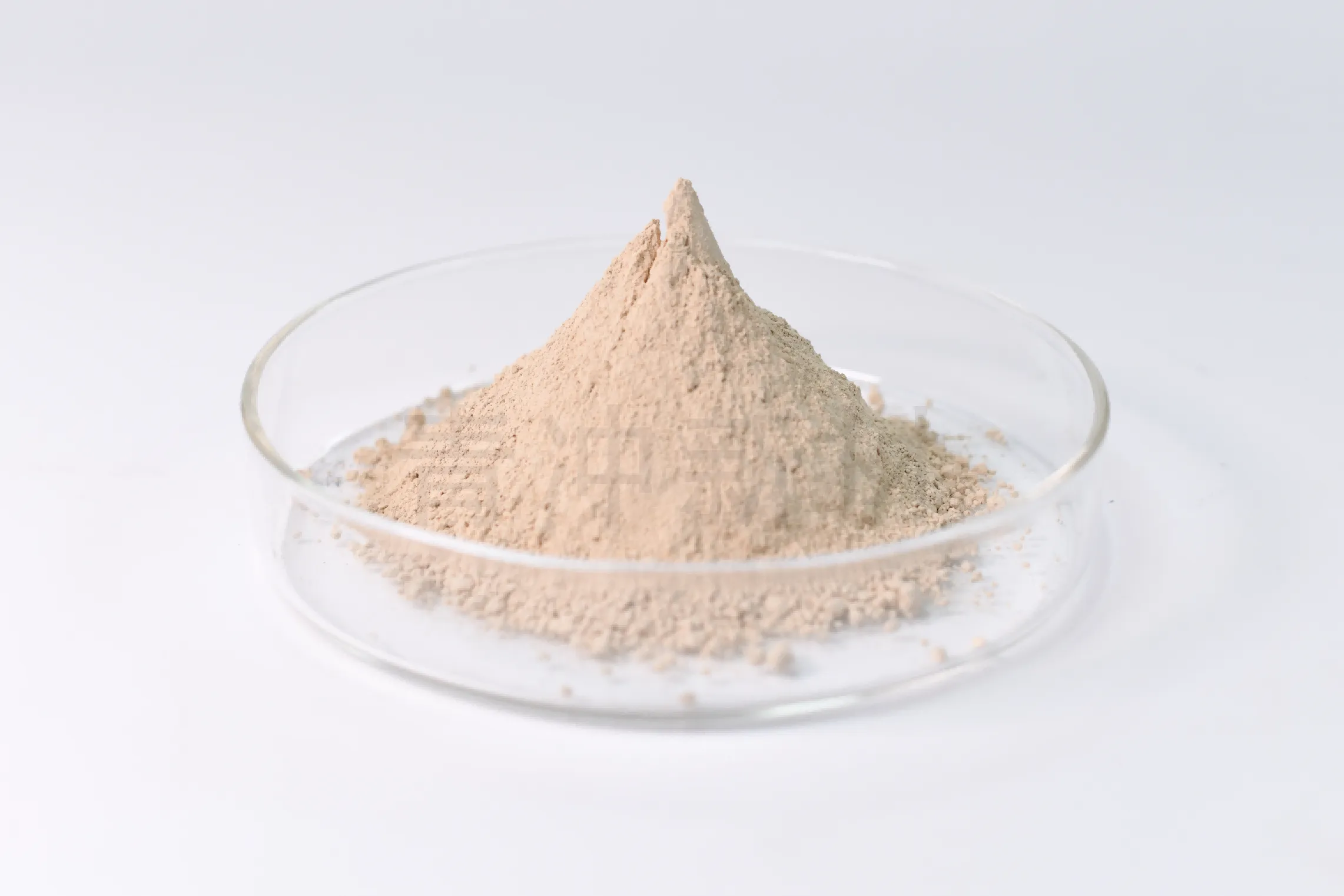
Manganese(II) carbonate has the chemical formula MnCO3. In a ceramic glaze, it serves as a source of manganese rather than as a finished pigment with a fixed, predictable color. During heating, the carbonate component decomposes and releases gas; the manganese then participates in reactions governed by the surrounding glaze and kiln conditions. Changes in the oxidation state of manganese can affect the resulting appearance. This is why the same named ingredient may produce different effects in different recipes, even when the weighing step is unchanged. Raw-material behavior also matters before the kiln is loaded. Powder characteristics can influence how an ingredient mixes into a glaze slurry, while preparation and application practices influence how evenly the glaze reaches the ware. Those observations describe the general ceramic role of the compound; they are not measured performance claims for a QingChong grade. No product sheet was provided, so its particle-size distribution or other processing properties cannot be stated here. For a buyer reviewing a candidate material, the distinction is simple: the chemical name identifies the manganese source, while a supplier specification and a fired test establish whether a particular supply behaves as needed.