 EN
EN
 CN
CN
 fr
fr es
es ar
ar ru
ru de
de pt
pt tr
tr vi
vi it
it ja
ja ko
ko hi
hi
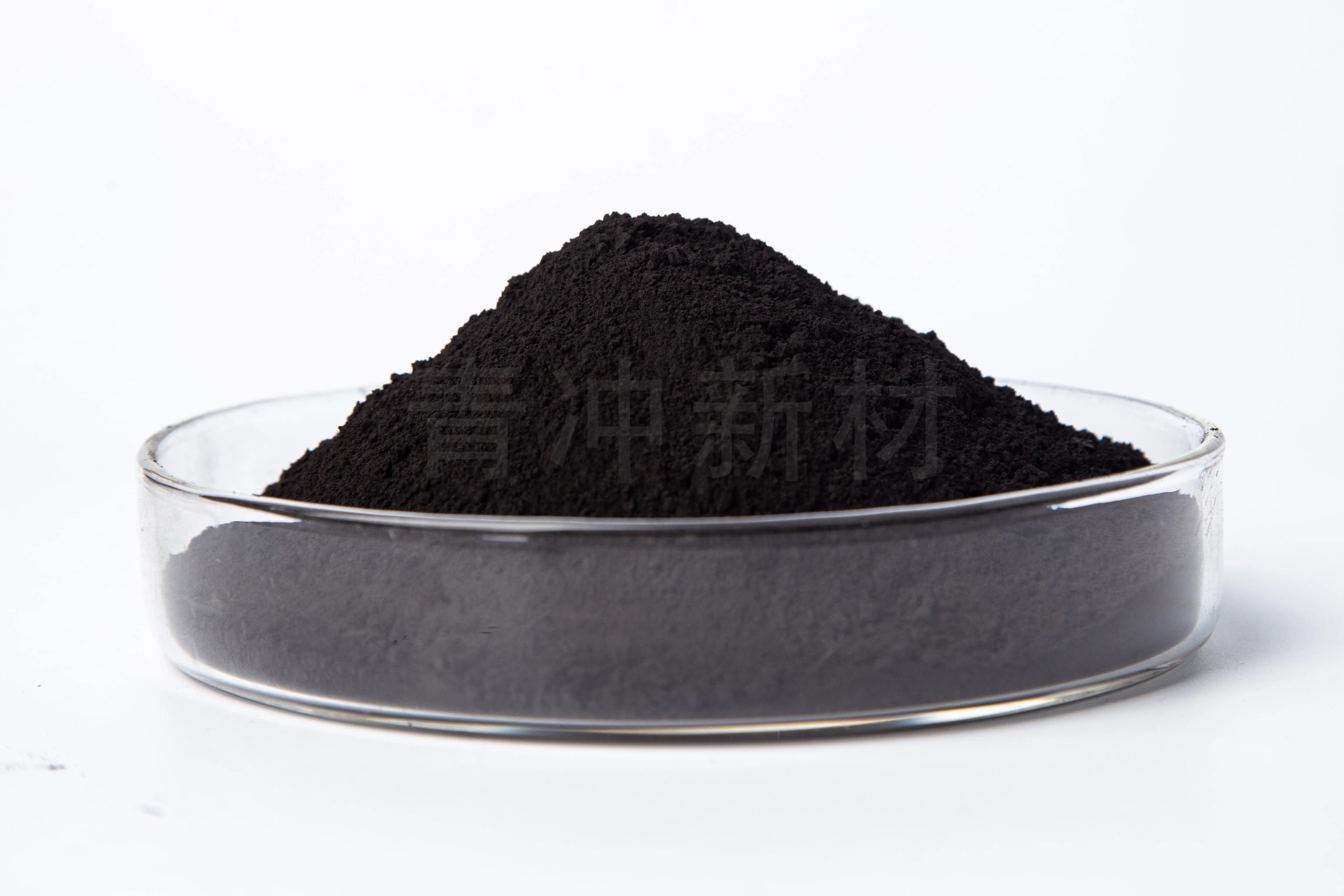
What the Electrolytic Route Means for Manganese Dioxide
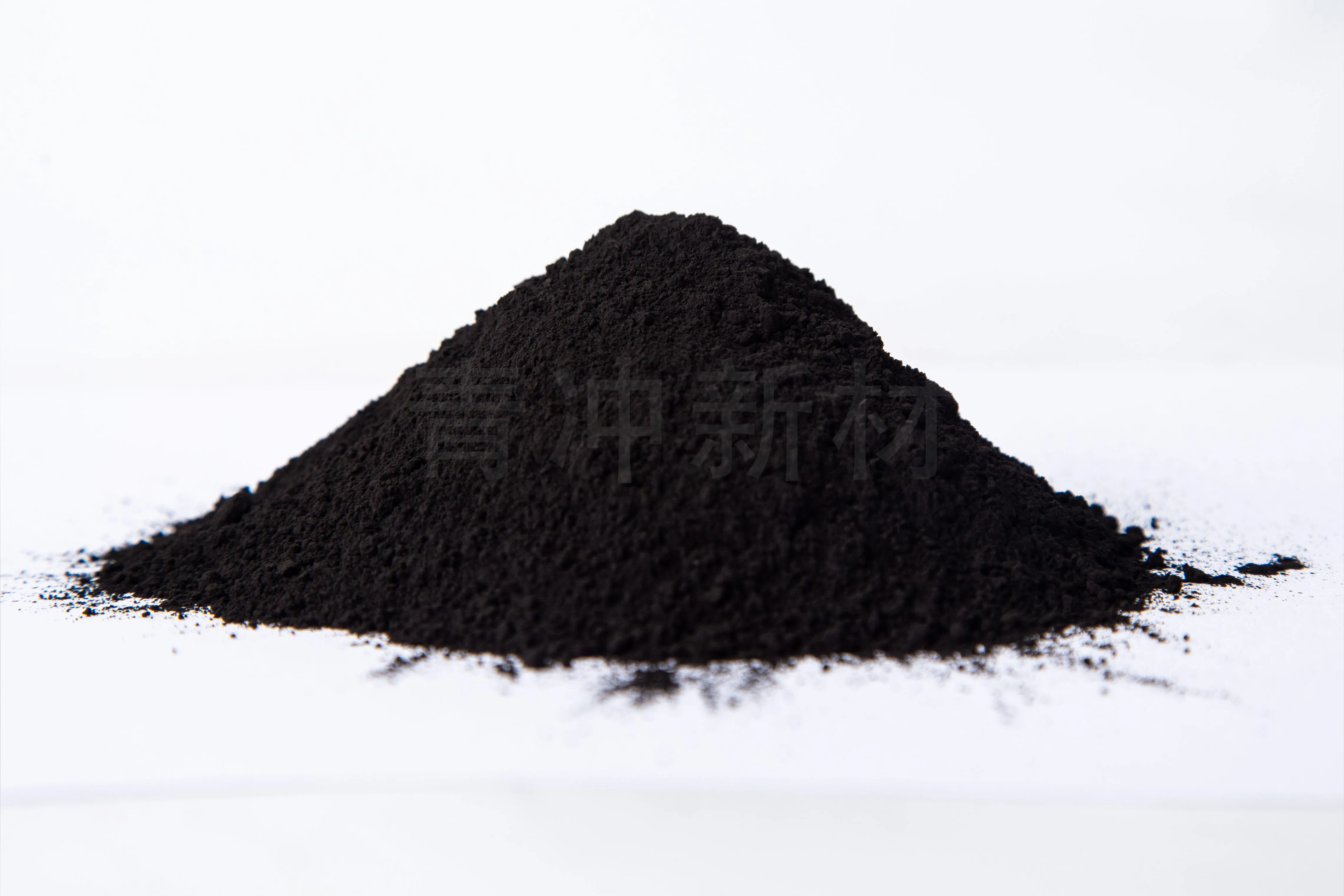
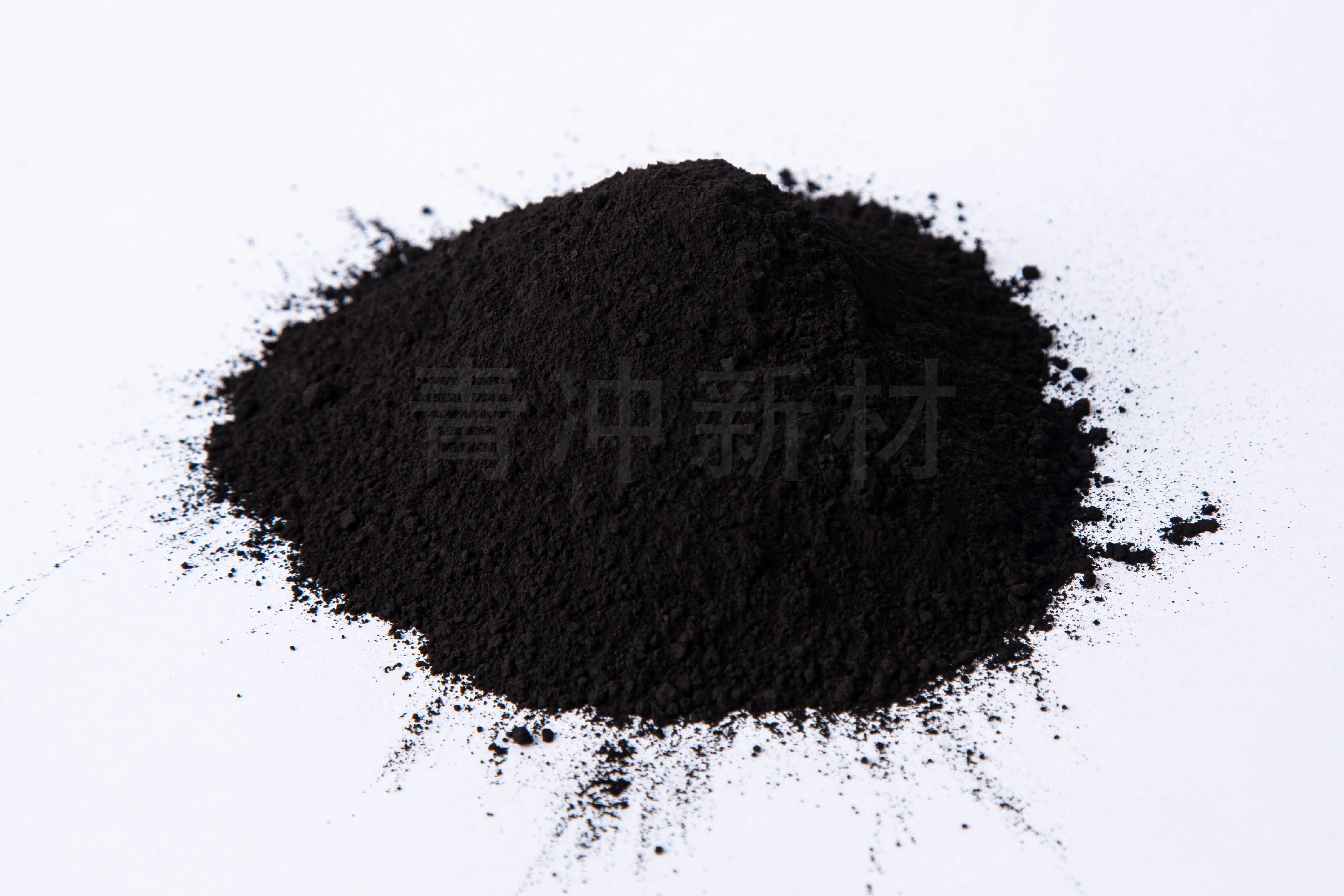
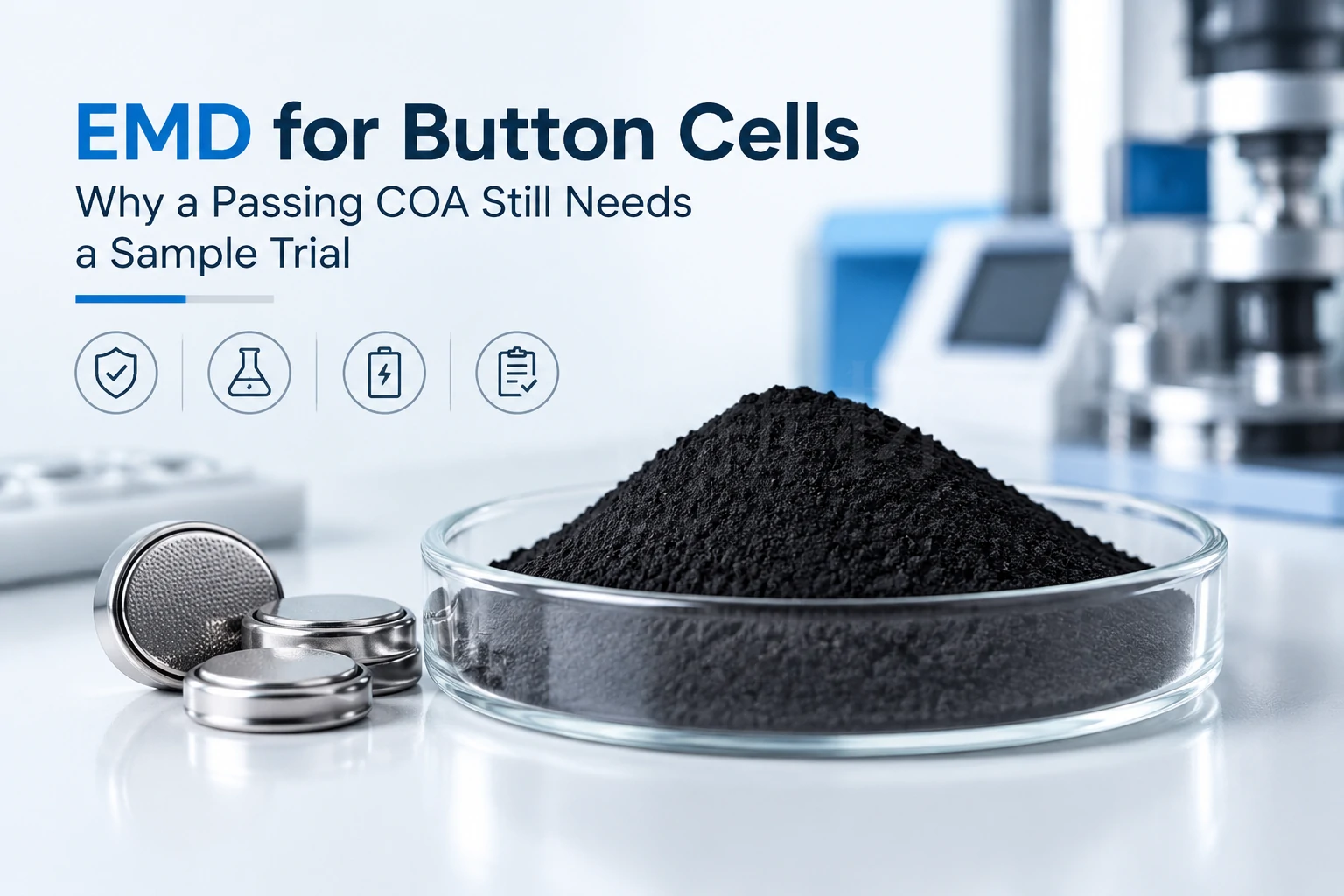
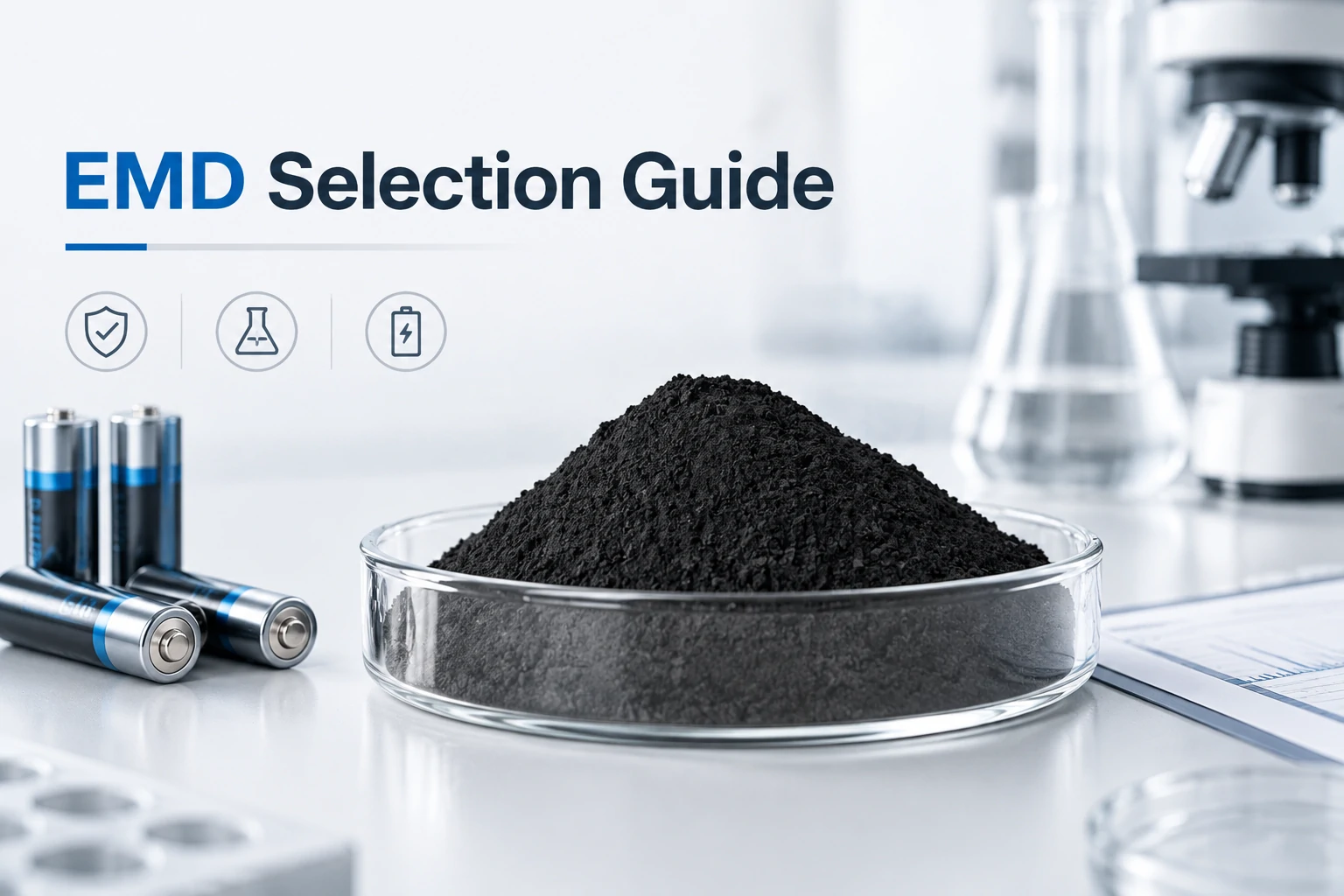
The term EMD describes manganese dioxide produced through an electrochemical process. In general, a manganese-containing solution is electrolyzed so that manganese dioxide deposits at an electrode. The deposit is then recovered and processed into a powder suitable for further evaluation. This manufacturing route is part of the product definition: it distinguishes EMD from manganese dioxide obtained through other preparation methods, even though materials may share the same broad chemical name. Battery engineers care about that distinction because a cathode material is judged by how it behaves in a cell, not simply by its formula. Powder characteristics and chemical composition can affect electrode preparation and performance. Still, the word electrolytic does not specify a universal particle size, impurity profile, or discharge result. Those properties must be documented for an actual offered grade. QingChong is identified as a manganese chemical manufacturer with integrated research, production, and sales operations; the supplied company information does not describe its EMD process or list an EMD specification. Buyers should treat this explanation as background on the material category, then request grade-specific evidence if QingChong confirms that EMD is available.