 EN
EN
 CN
CN
 fr
fr es
es ar
ar ru
ru de
de pt
pt tr
tr vi
vi it
it ja
ja ko
ko hi
hi
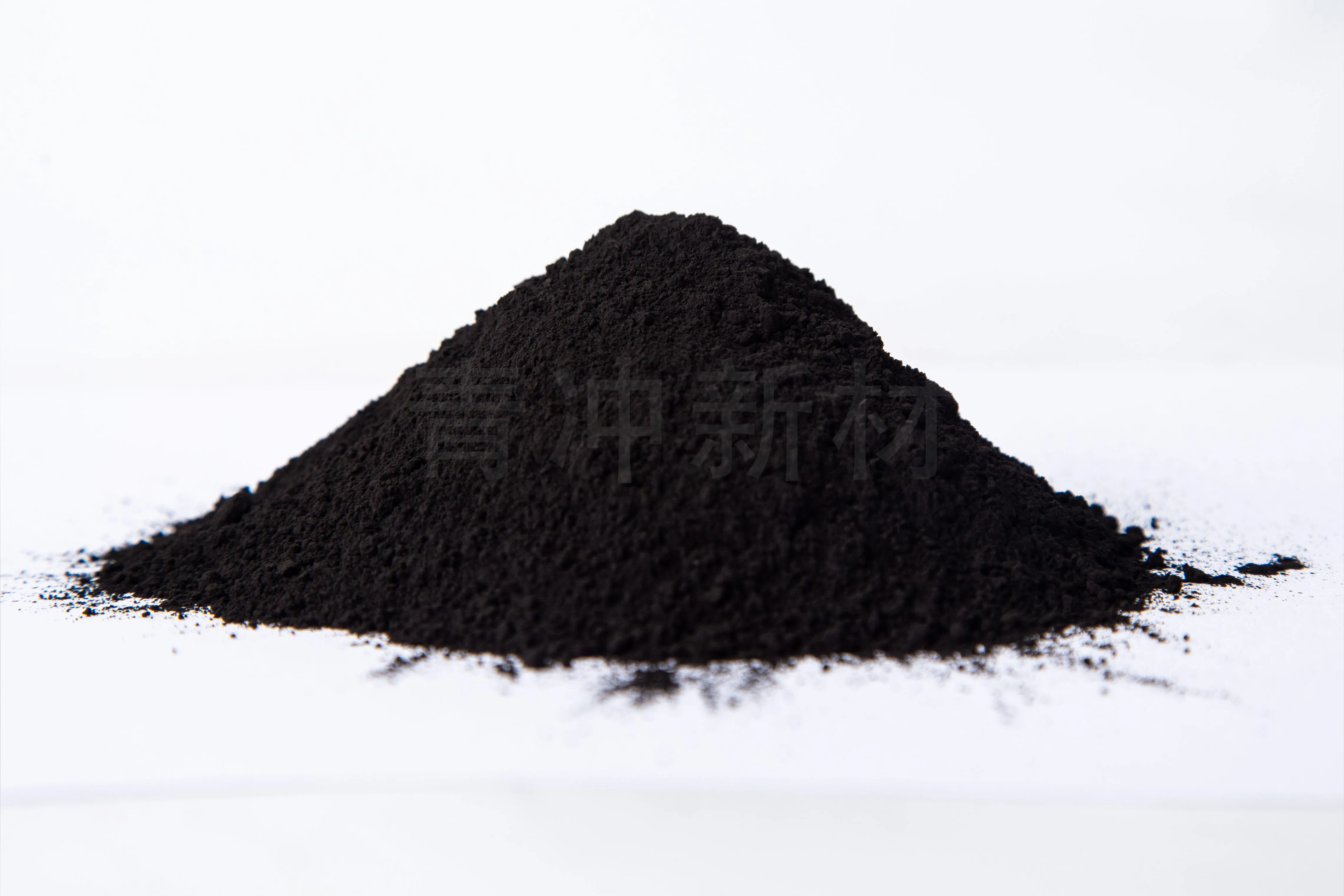
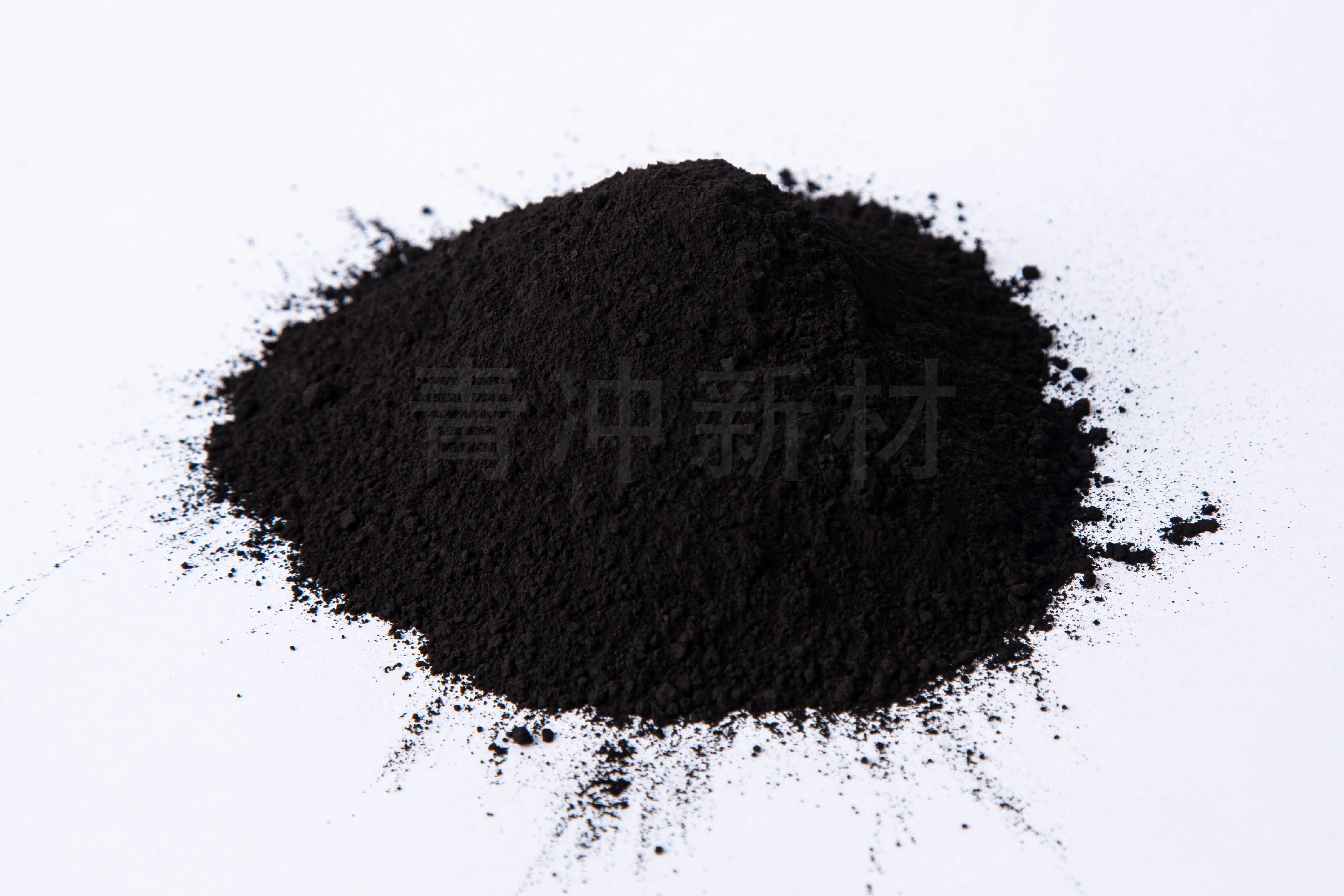
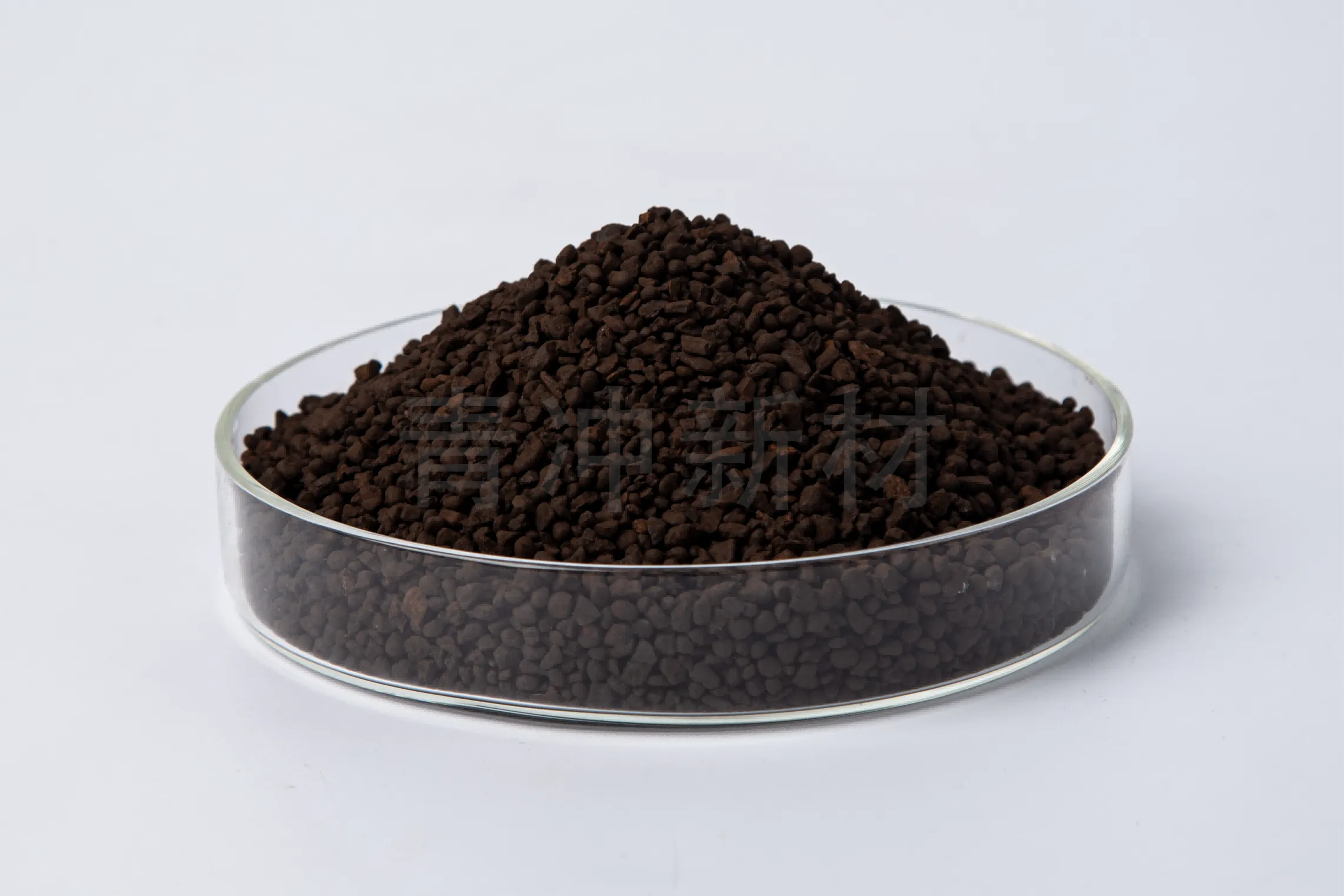
What the Electrolytic Route Tells You About the Material
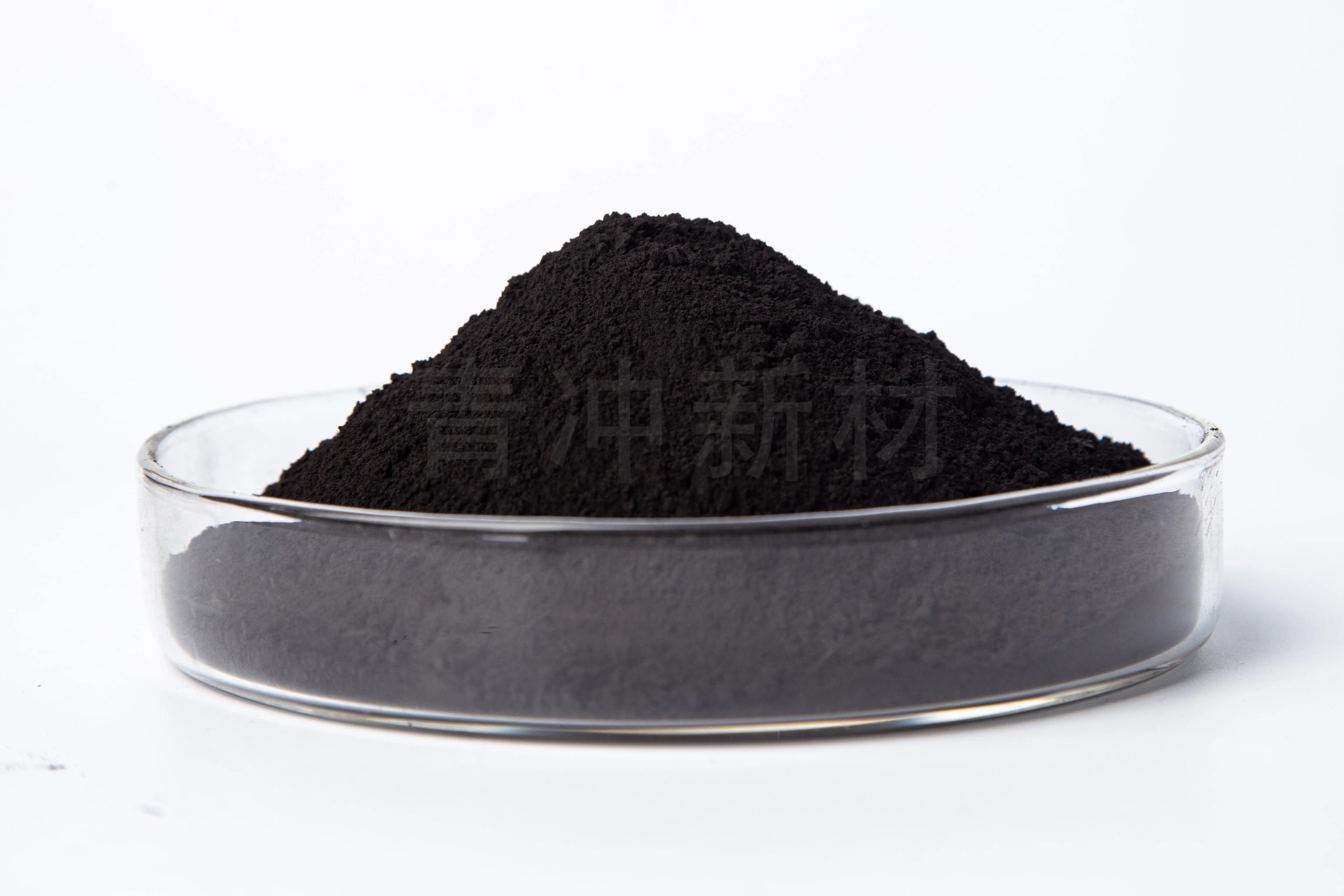
The word “electrolytic” describes a production route for manganese dioxide. It does not, by itself, describe how a powder will disperse into a ceramic mixture or how a fired piece will look. Chemical identity is only one part of the material description a ceramic laboratory may need. Depending on the formulation, particle characteristics, the amount and identity of other constituents, and the material’s behavior during processing can all affect the observations made in a trial. These are questions to investigate, not specifications established by the keyword. The term “ceramic” in a search likewise indicates intended use rather than a verified grade designation. Treat those two parts of the phrase separately: confirm what manganese dioxide product is being offered, then determine whether its documented characteristics are relevant to the ceramic process under review. QingChong’s R&D, production, and sales operations provide a point of contact for that discussion, but no product-specific technical figures were supplied for this page. A current specification and representative sample are the appropriate basis for comparing the offered material with an existing approved input.