
 EN
 CN
 fr
 es
 ar
 ru
 de
 pt
 tr
 vi
 it
 ja
 ko
 hi
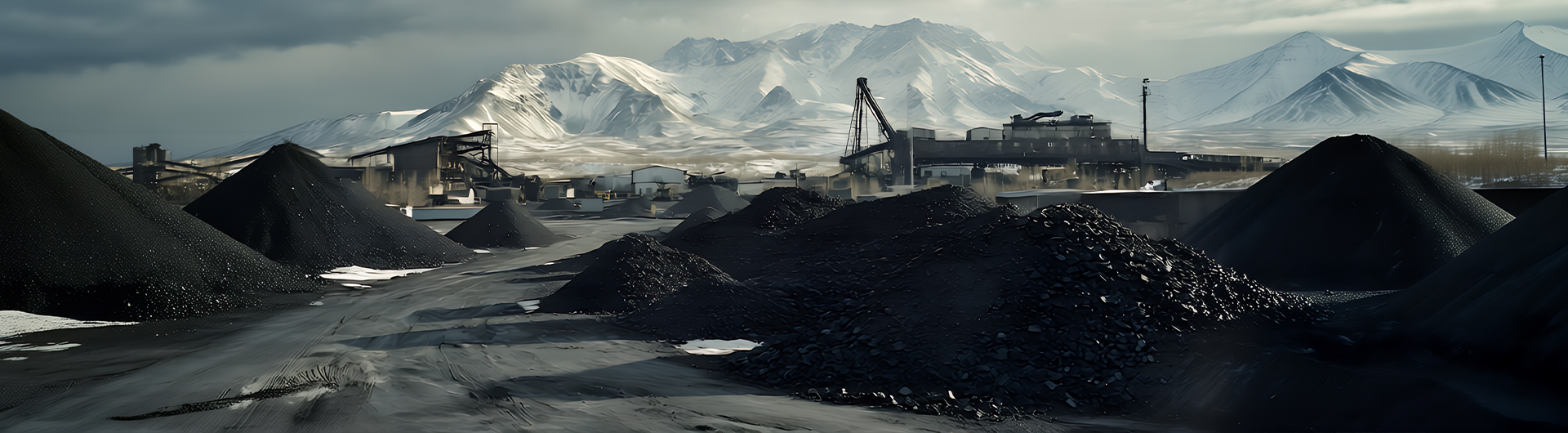

chemical precipitated activated manganese dioxide
In electronic and magnetic gadgets, chemical precipitated activated manganese dioxide plays a significant role in the improvement of conductivity and control of magnetic flux. The uniformity of the material guarantees that the magnetic permeability is constant and that the energy loss in transformers, inductors, and shielding materials is minimal. The engineers can make the powder morphology such that the packing density, surface contact, and functional efficiency are all optimized. Similarly, chemical precipitated activated manganese dioxide can support the miniaturization of electronic components along with their performance, thus facilitating the design of high-density circuits. Besides, it cannot be easily damaged through chemical means and it is also compatible with other materials, thus preventing degradation over time. Therefore, chemical precipitated activated manganese dioxide has become an indispensable material in the realm of modern electronics manufacturing—one that gives the designers the freedom to use a dependable material that, besides being very functional, is also energy efficient and durable in a variety of tech applications.
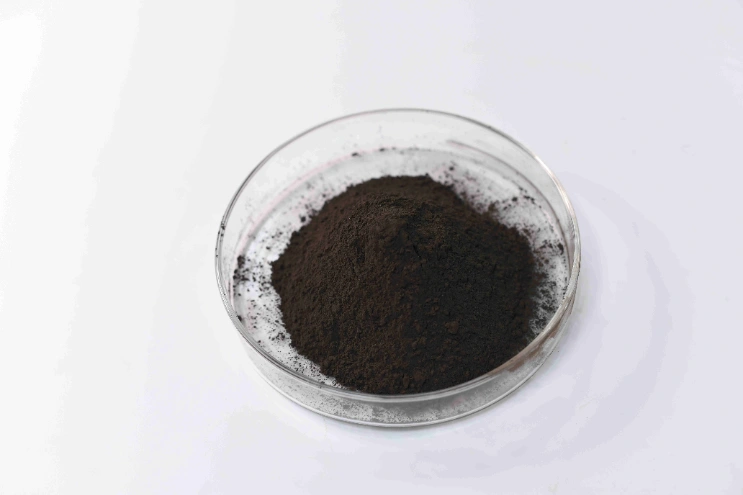
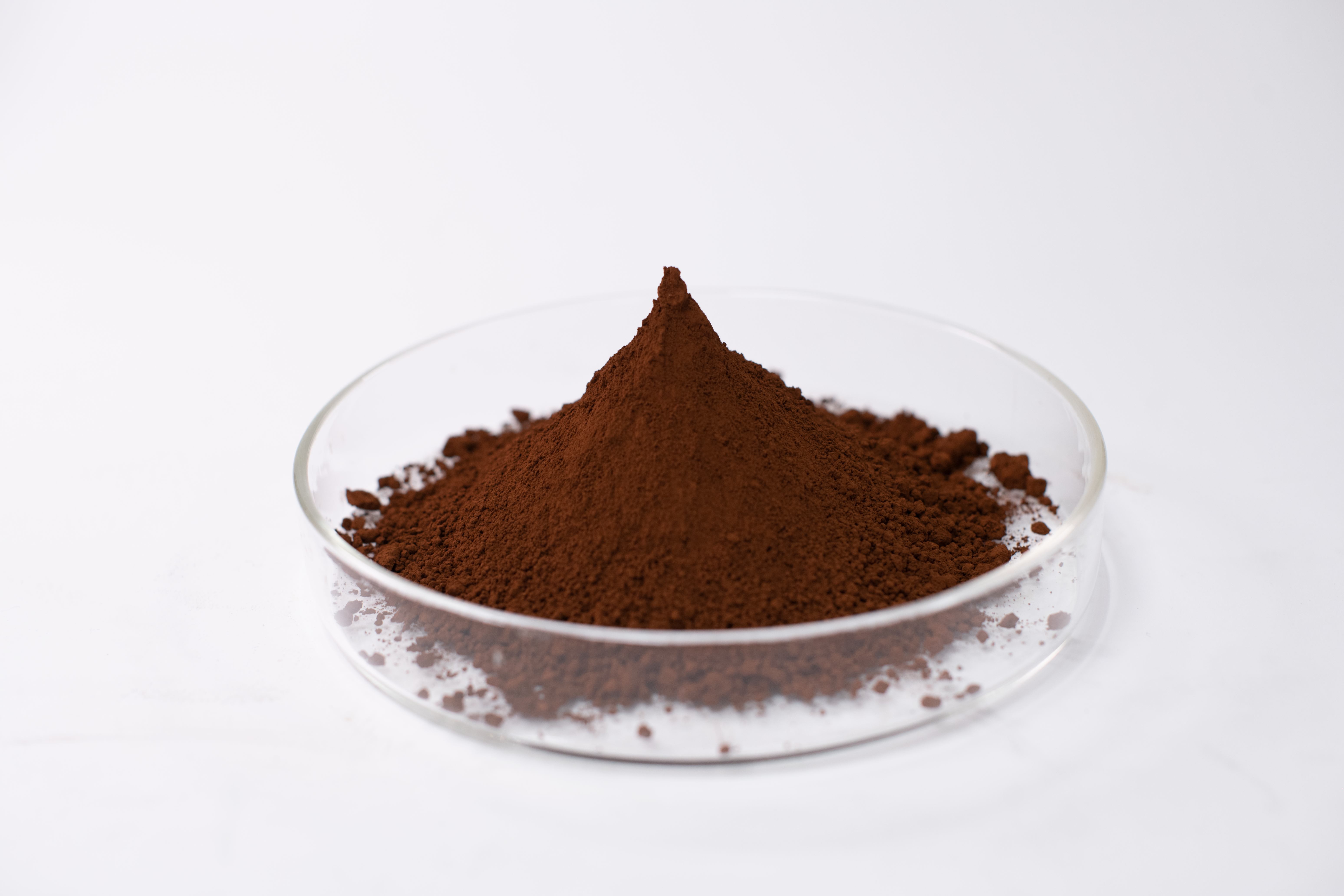
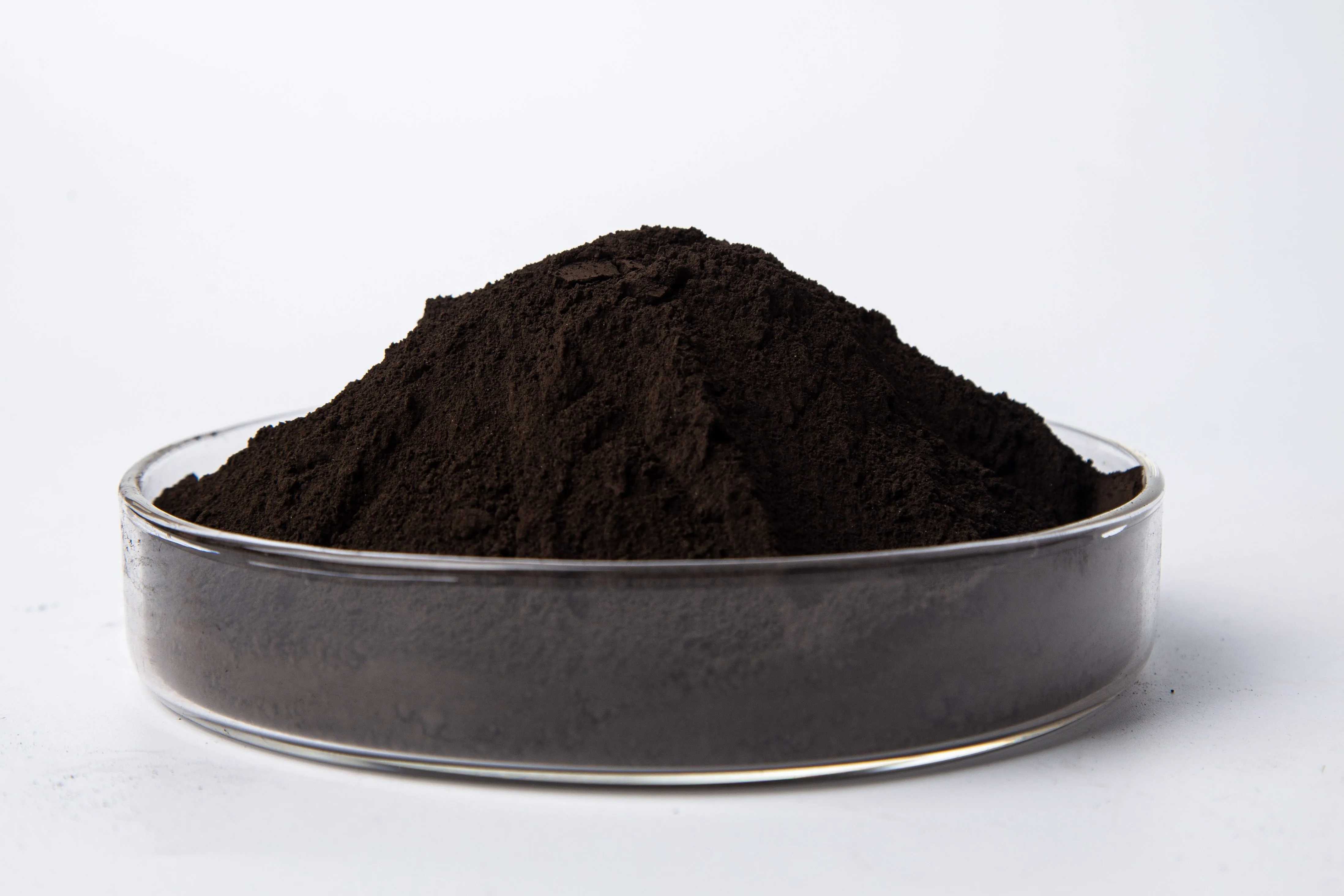
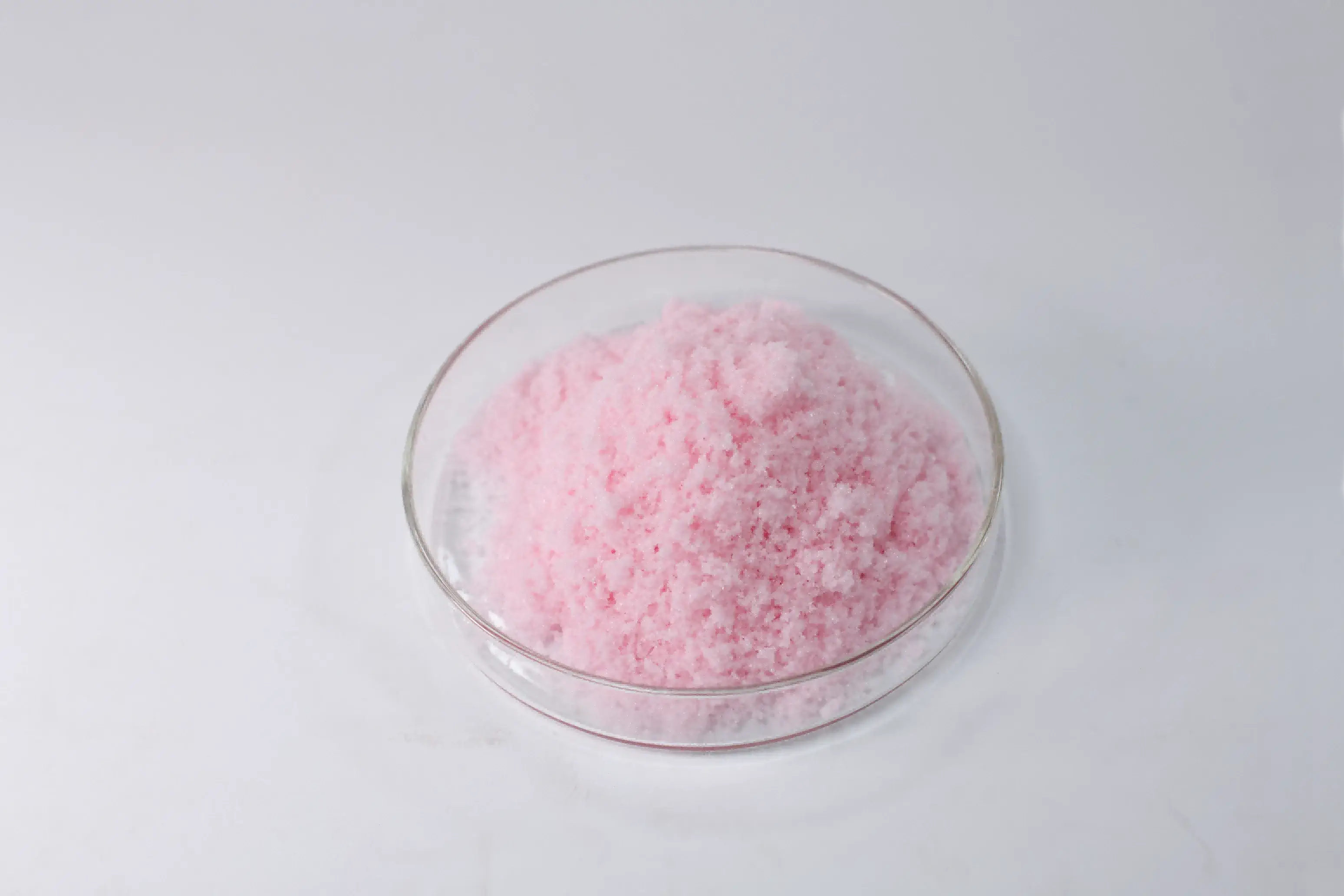
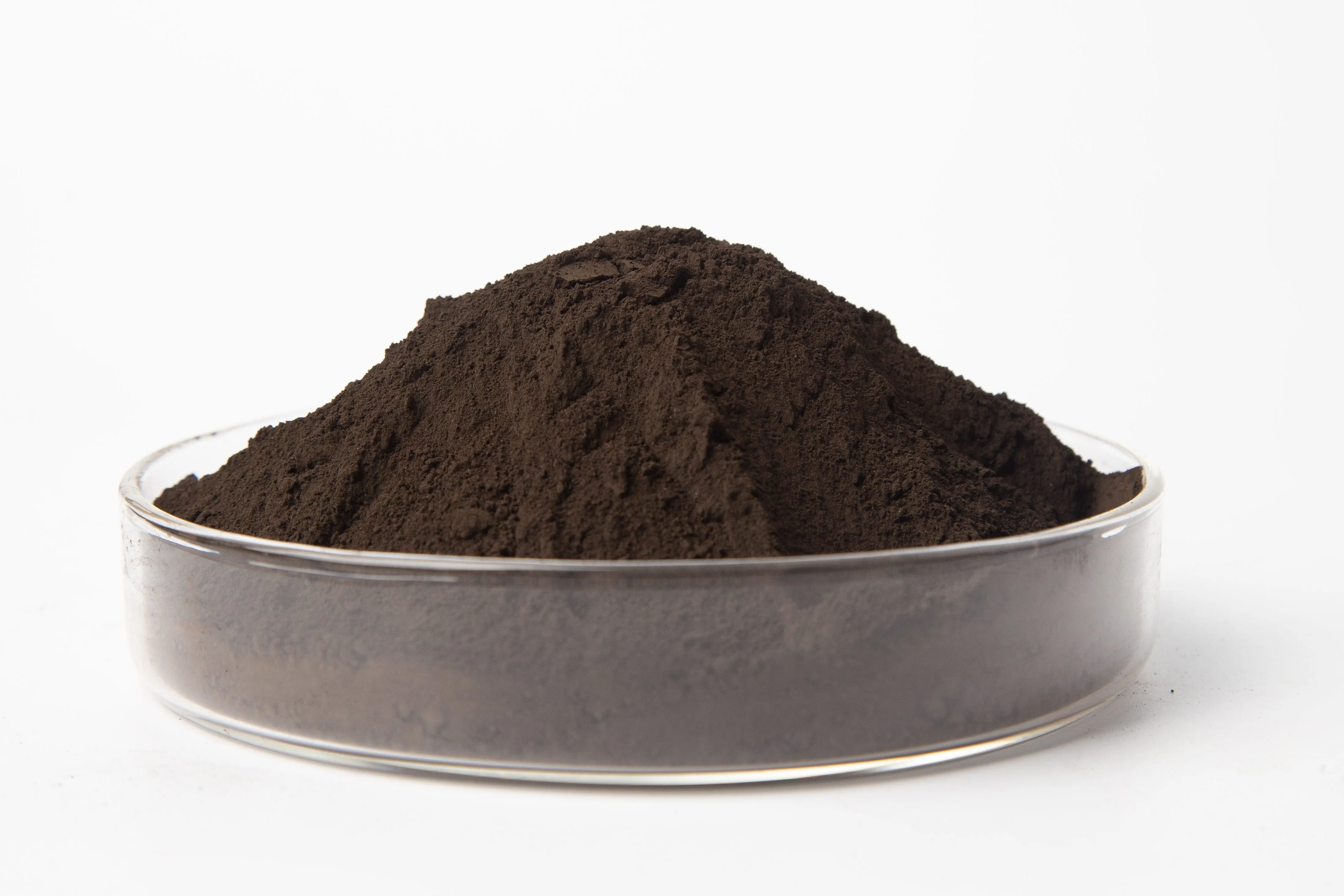
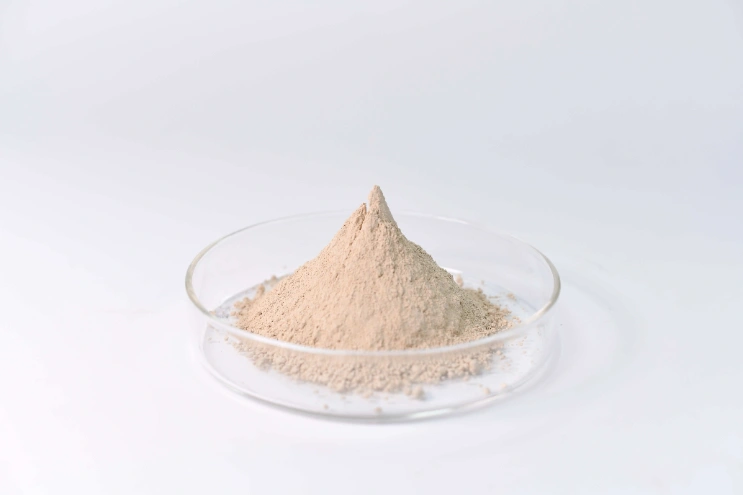
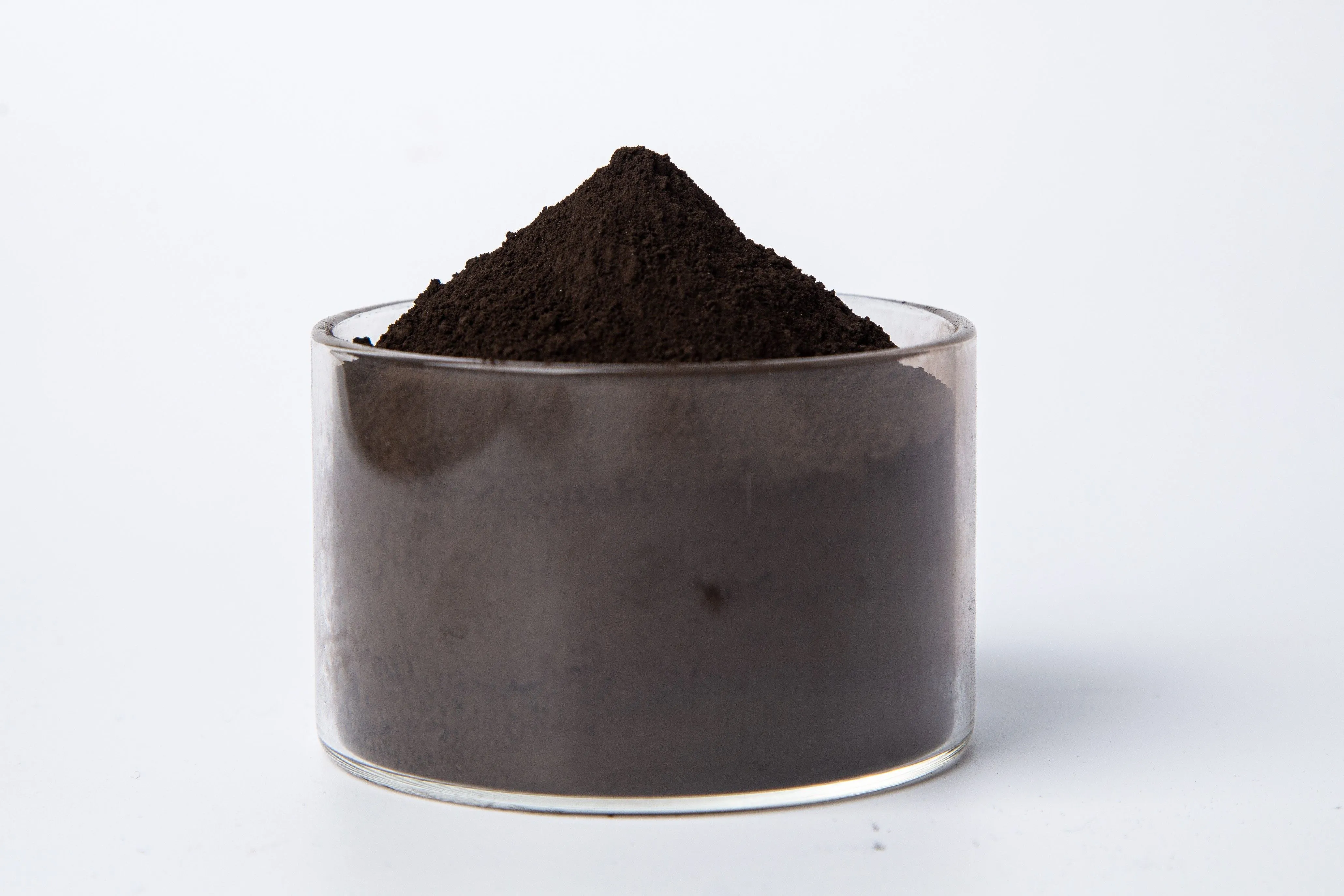
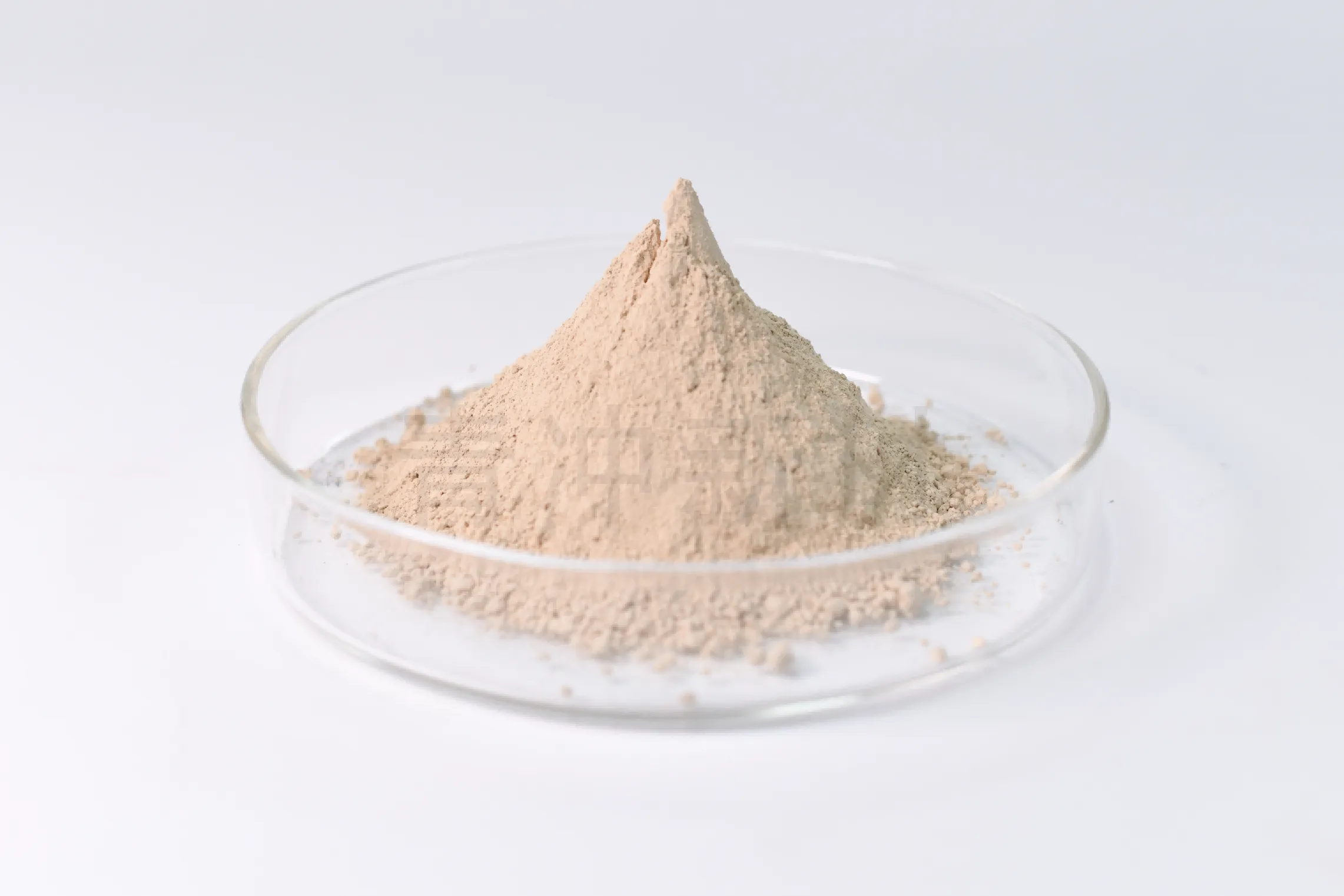
Application of chemical precipitated activated manganese dioxide
chemical precipitated activated manganese dioxide has found its way into glass and ceramics as an effective tool for tuning thermal and optical properties. The presence of the compound has an impact on the melting properties, shifting the refractive index, and altering the rate of crystallization which results in better surface smoothness and translucency. Designers take advantage of chemical precipitated activated manganese dioxide in making special glasses such as lenses, filters, and decorative panels where uniformity and clarity are of utmost importance. Furthermore, the material also has a positive effect on the toughness and resistance to crack formation on a microscopic level. Through the adjustment of concentration and particle size, manufacturers are able to create the desired optical effects and structural performance. Hence, chemical precipitated activated manganese dioxide provides the industry with a dependable material control for the development of new ceramic and glass applications, allowing for the exact customization of thermal, mechanical, and visual properties according to the requirements of a particular industry.
The future of chemical precipitated activated manganese dioxide
In the field of industrial catalysis, chemical precipitated activated manganese dioxide is shown to be the most favored option in the future since it is less harmful to the environment and provides more efficiency in the processes. New technologies in surface modification and nanoscale engineering could significantly improve the catalytic activity and selectivity. These characteristics of the material make it easy to predict its redox behavior which is a strong point in its application to multi-step chemical reactions and the manufacturing of renewable chemicals. Thus, it is specific to the future developments that chemical precipitated activated manganese dioxide-based catalysts would be the ones that would be facilitating cleaner, faster, and more energy-efficient industrial transformations driving innovation in chemical processing, fine chemical production, and eco-friendliness in industrial operations.
Care & Maintenance of chemical precipitated activated manganese dioxide
Quality assurance is one of the fundamental processes by which chemical precipitated activated manganese dioxide is kept in good condition over time. Periodic examination of particle size distribution, bulk density, and visual appearance helps to identify changes that may be due to storage or handling. Sampling at specific times guarantees that material properties stay within the limits of acceptance. Inspection results documentation is a basis for maintaining process consistency and quality assurance. The deviations are caught very early which facilitates taking corrective actions before the product is being used. The manufacturers make chemical precipitated activated manganese dioxide quality monitoring programs that are structured to last and thus keep the material reliable for use in the toughest industrial settings.
QingChong chemical precipitated activated manganese dioxide
chemical precipitated activated manganese dioxide is one of the pigment components used in ceramics, glass, and even paints giving stable brown and pink colors. The chemical nature of chemical precipitated activated manganese dioxide assures the same hue during the high-temperature processing. In the case of glazes and industrial coatings, chemical precipitated activated manganese dioxide interaction with other additives is predictable and thus, the desired aesthetic effects are achieved. The control of particle size distribution and purity has a direct impact on color intensity and surface finish. Besides its decorative use, chemical precipitated activated manganese dioxide stable property under heat and light assures the longevity of the treated surface. Artists and manufacturers utilize chemical precipitated activated manganese dioxide to make their products look good and at the same time not compromise with mechanical performance. Its capability to be both a colorant and a functional additive shows the versatility of the material from the artistic, industrial, and material engineering perspectives and thus, the value of the production process is consistent.
FAQ
Q: What is the main application of Manganese Carbonate in industry? A: Manganese Carbonate finds application as a basic material for the manufacturing of manganese oxides, specialty alloys, ceramics, and battery-related materials in the course of industrial development. Q: What color and powder form do Manganese Carbonate mostly have? A: It is normally a light pink or pale powder with a fine particle size distribution making it suitable for mixing and processing. Q: Will Manganese Carbonate be available in different particle sizes? A: Indeed, the particle size can be set during the production phase according to the particular processing or application requirements. Q: Can Manganese Carbonate withstand high-temperature processing? A: Its high-temperature processing behavior is very good under strict temperature control, especially during the technical transformation of materials and calcination. Q: Which sectors are the main consumers of Manganese Carbonate? A: It is especially needed in the metallurgy, chemical manufacturing, ceramics, electronics, and energy-related sectors.
Reviews
Sophia Miller
Activated Manganese Dioxide has dramatically improved our catalytic oxidation processes. Its surface area and purity contribute to faster reaction times and predictable outcomes. Support from the supplier ensured smooth logistics and supply continuity.
Christopher Moore
Discharge Manganese Powder shows outstanding electrochemical properties and consistent particle morphology. Integration into electrode production has become seamless, and batch reproducibility has increased production reliability.
Latest Inquiries
To protect the privacy of our buyers, only public service email domains like Gmail, Yahoo, and MSN will be displayed. Additionally, only a limited portion of the inquiry content will be shown.
Charlotte****@gmail.comIndia
Hi, we are looking for Discharge Manganese Powder for electrode production. Kindly provide technical...
Sophia****@gmail.comCanada
Hi, we need Manganese Filter Media for water treatment systems. Can you provide available particle s...
Related product categories
- active manganese dioxide in Vietnam
- active manganese dioxide in Philippines
- active manganese dioxide in Spain
- active manganese dioxide in Malaysia
- activated manganese dioxide acmd in United States
- activated manganese dioxide acmd in Canada
- activated manganese dioxide acmd in Australia
- activated manganese dioxide acmd in United Kingdom
- activated manganese dioxide acmd in France
- activated manganese dioxide acmd in Germany
- activated manganese dioxide acmd in Japan
- activated manganese dioxide acmd in South Korea