
 EN
 CN
 fr
 es
 ar
 ru
 de
 pt
 tr
 vi
 it
 ja
 ko
 hi


chemical activated carbon and manganese dioxide
Inchemical activated carbon and manganese dioxide, which is a metallurgical enhancement, I the a controlled addition of the additive directs the alloy's microstructural development and subsequently affects the mechanical properties of alloys. Alloying with chemical activated carbon and manganese dioxide promotes grain growth all over the structure, releases internal stress, and consequently batches the entire structure together. This phenomenon is one of the very few that are able to help produce high-performance metals like steel, aluminum, and specialty alloys for making accurate and detailed machinery. chemical activated carbon and manganese dioxide can also repair the heat treatment process by providing the same hardness and ductility. In addition to that, the upgradation of the process can help in the manipulation of the alloying elements' interactions, thereby controlling the metallurgical properties of the mixture. Thus, chemical activated carbon and manganese dioxide not only acts as a mixer but also provides function to the engineers who want to get the best performance out of the material in the harshest industrial conditions.
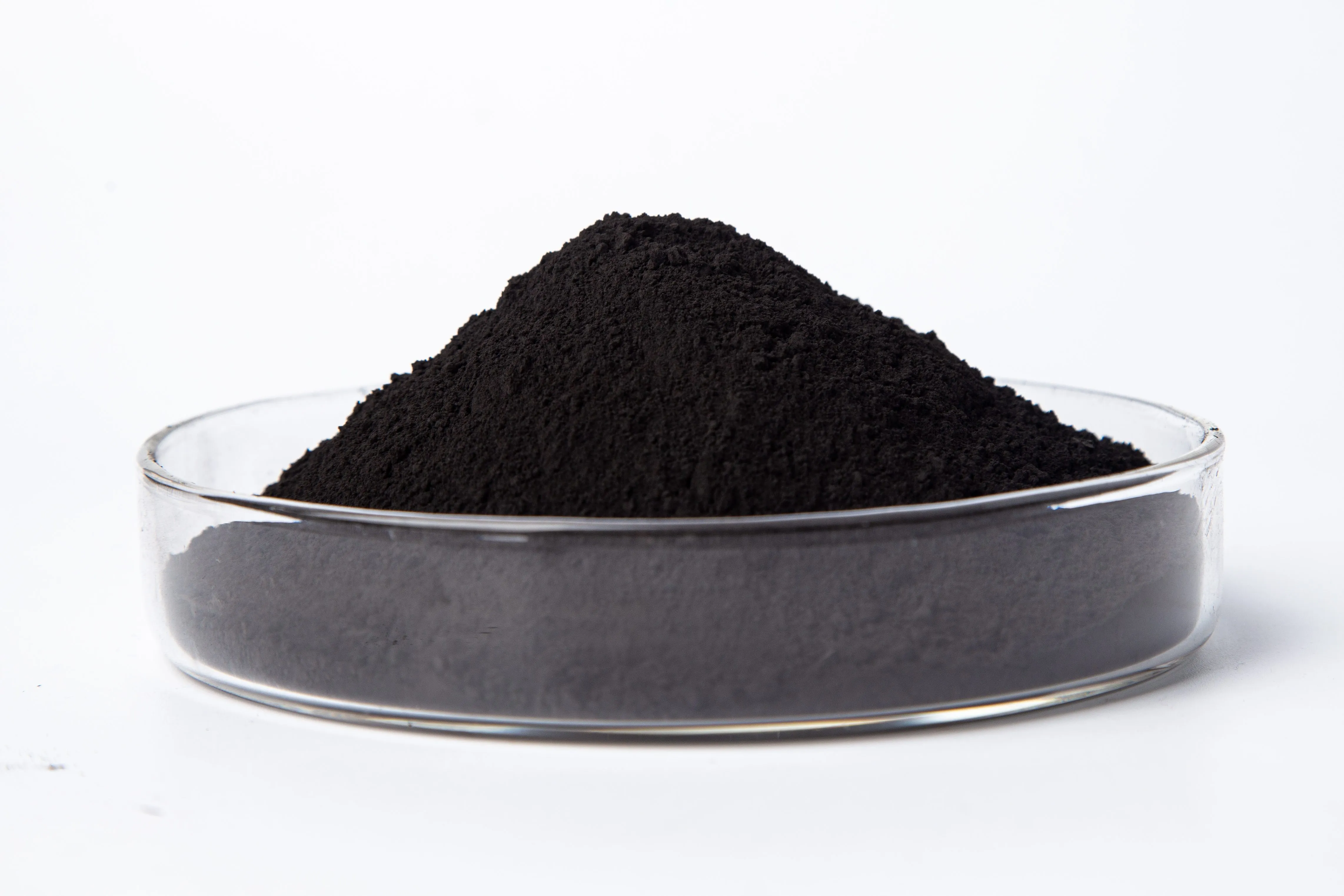
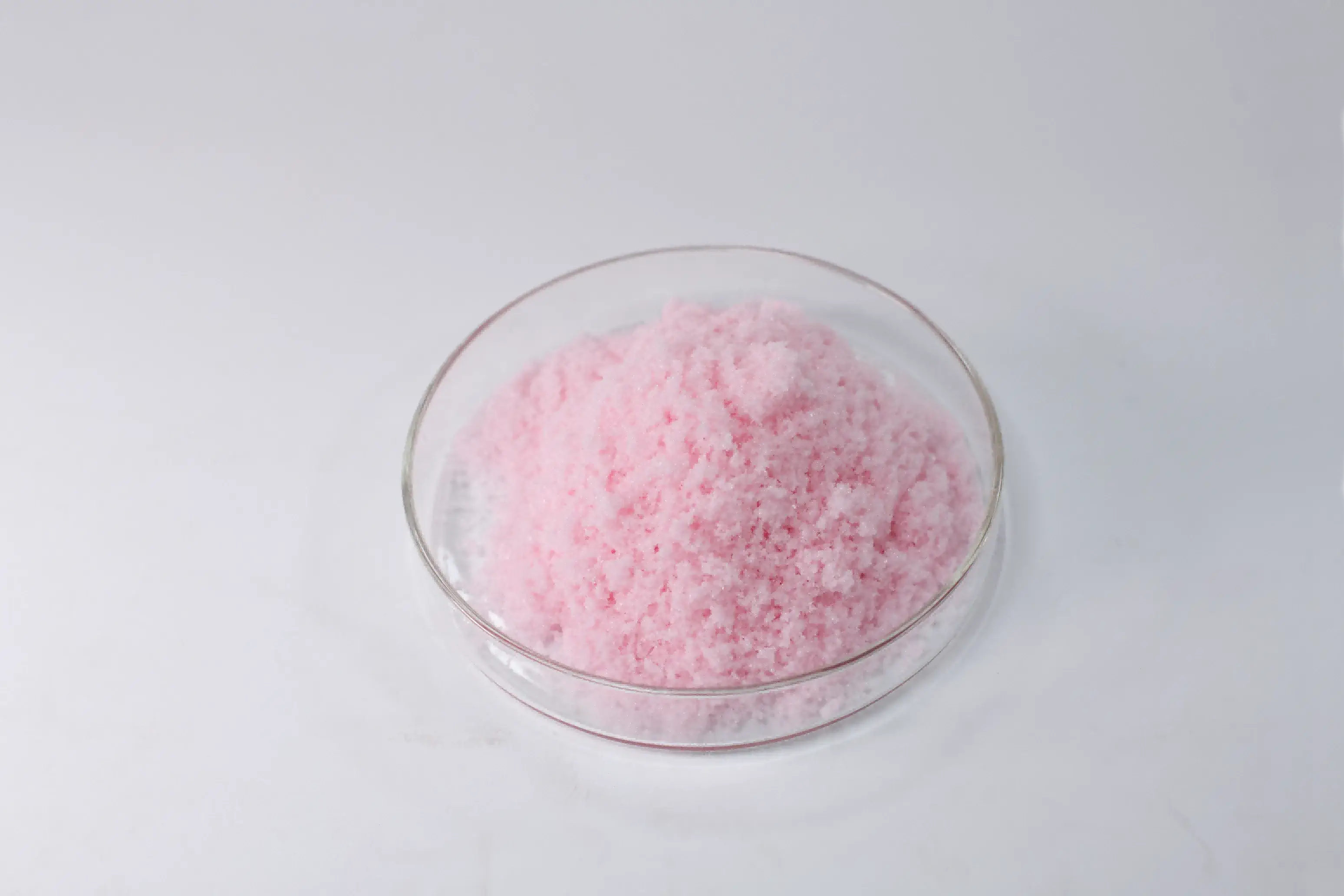
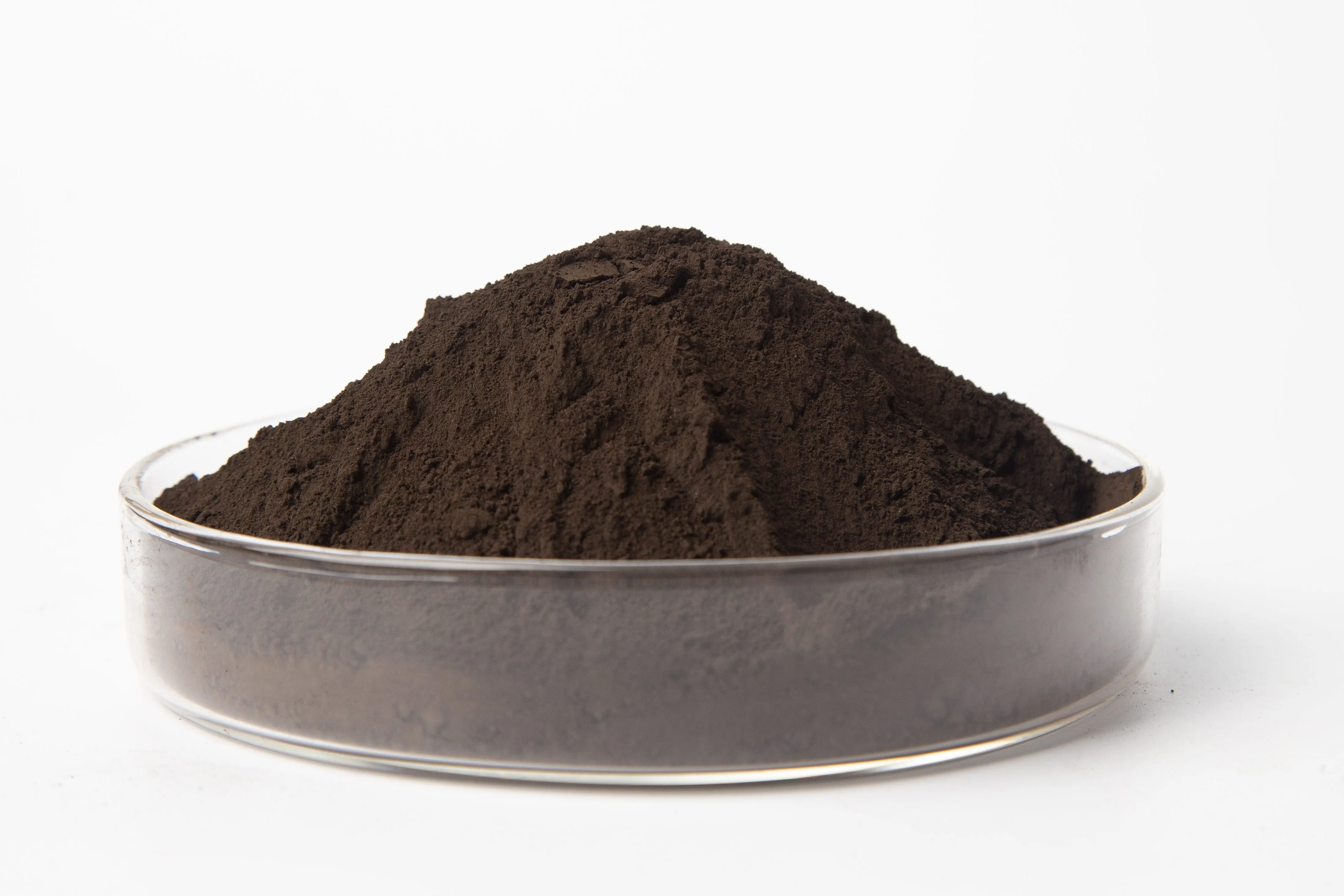
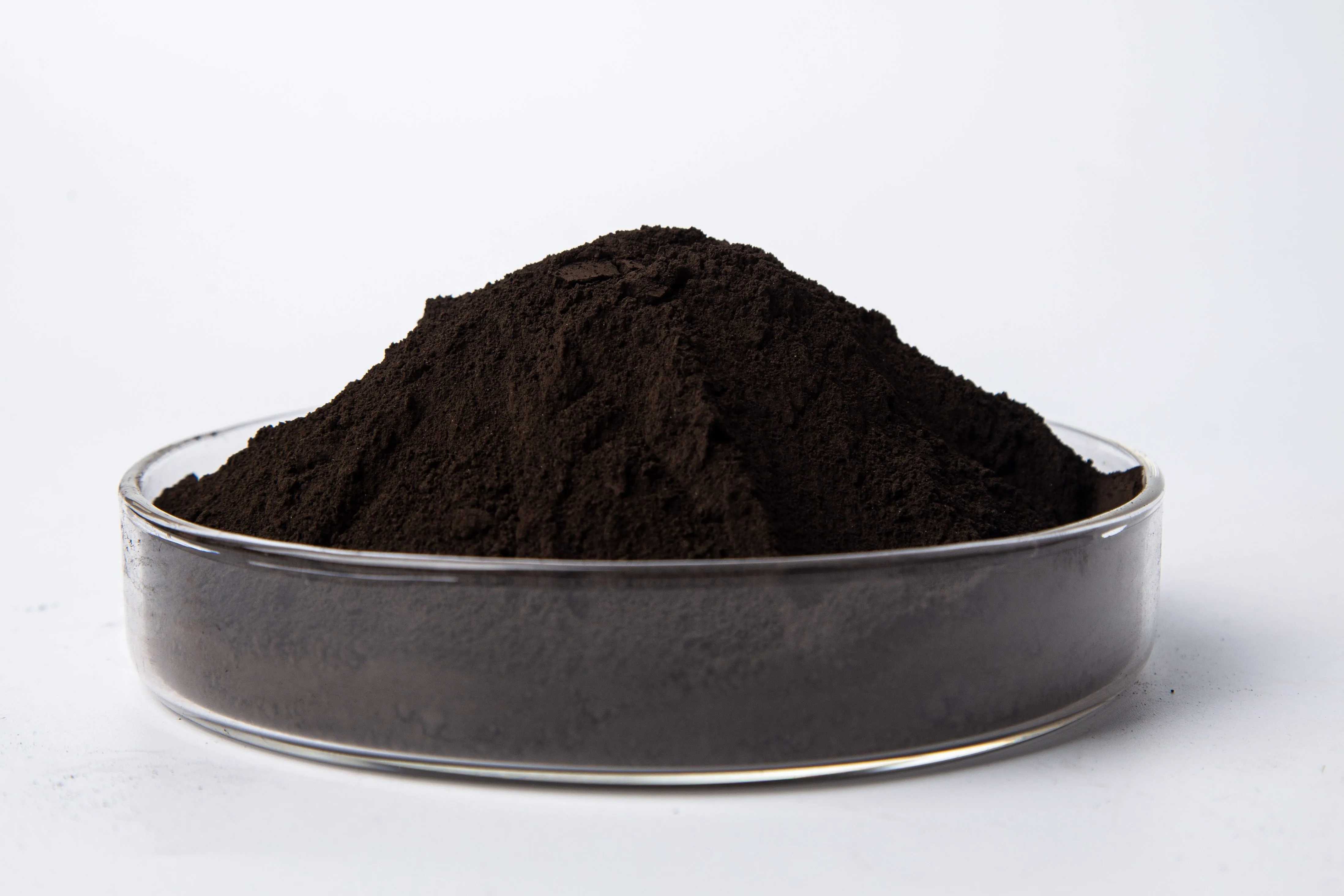
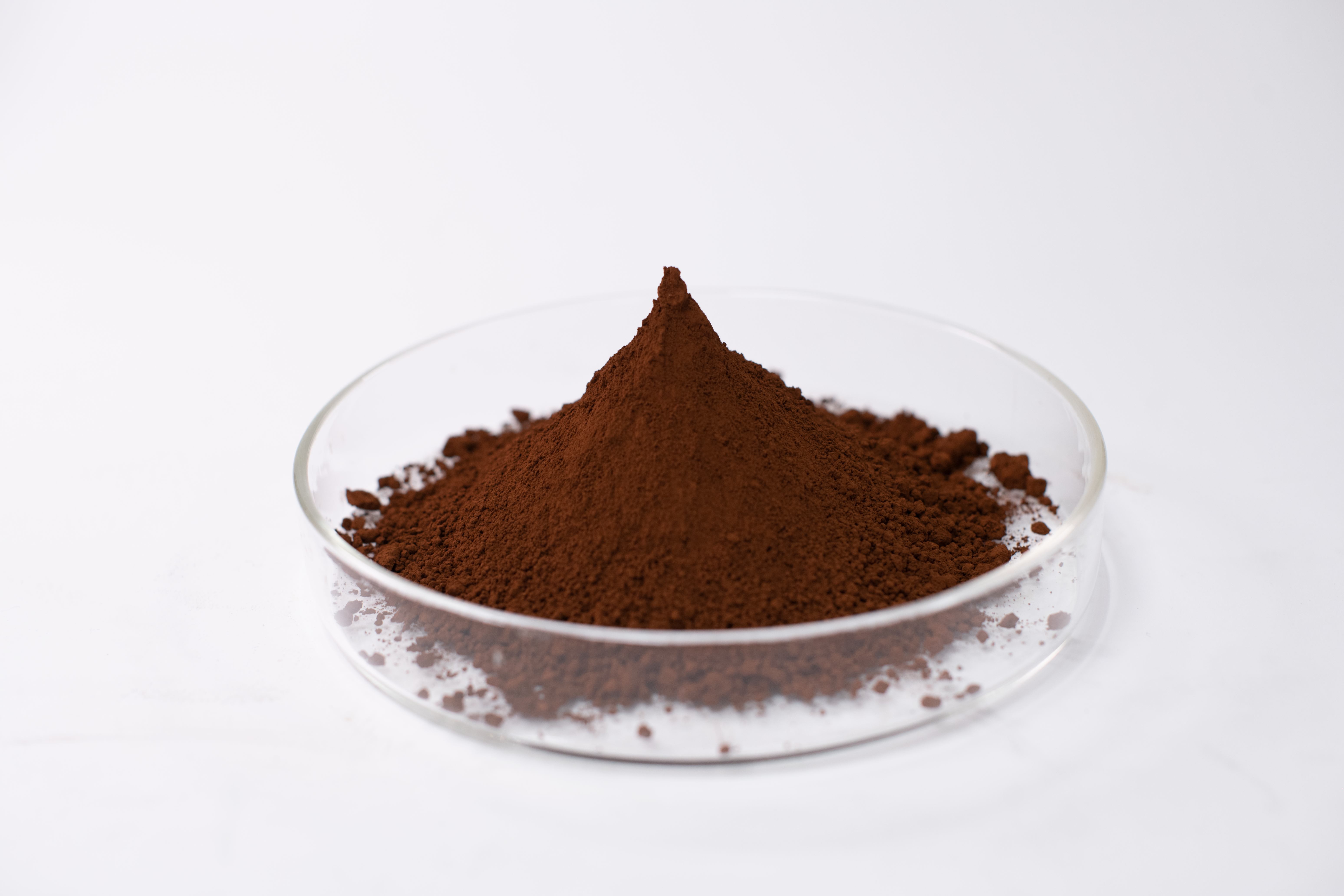
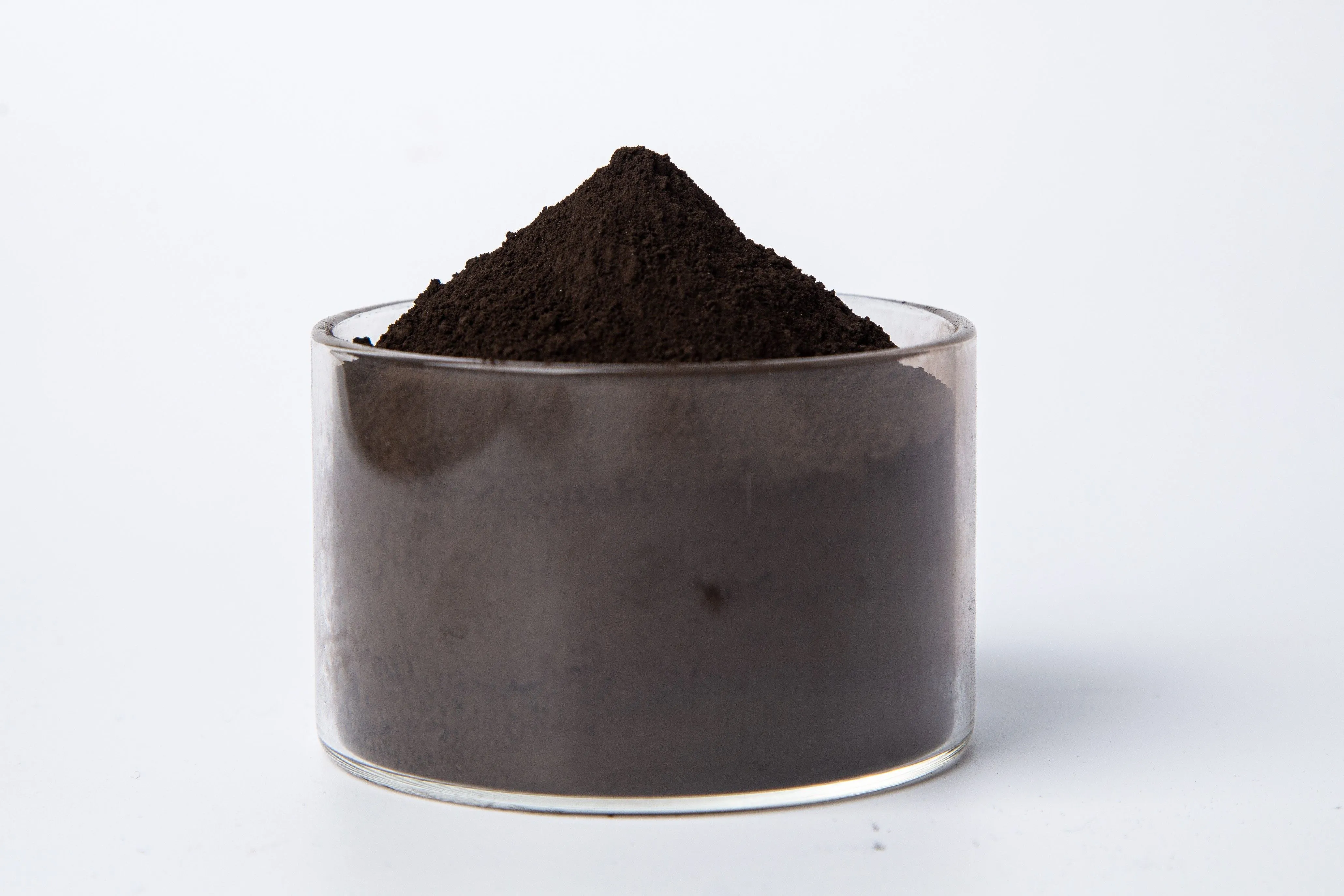
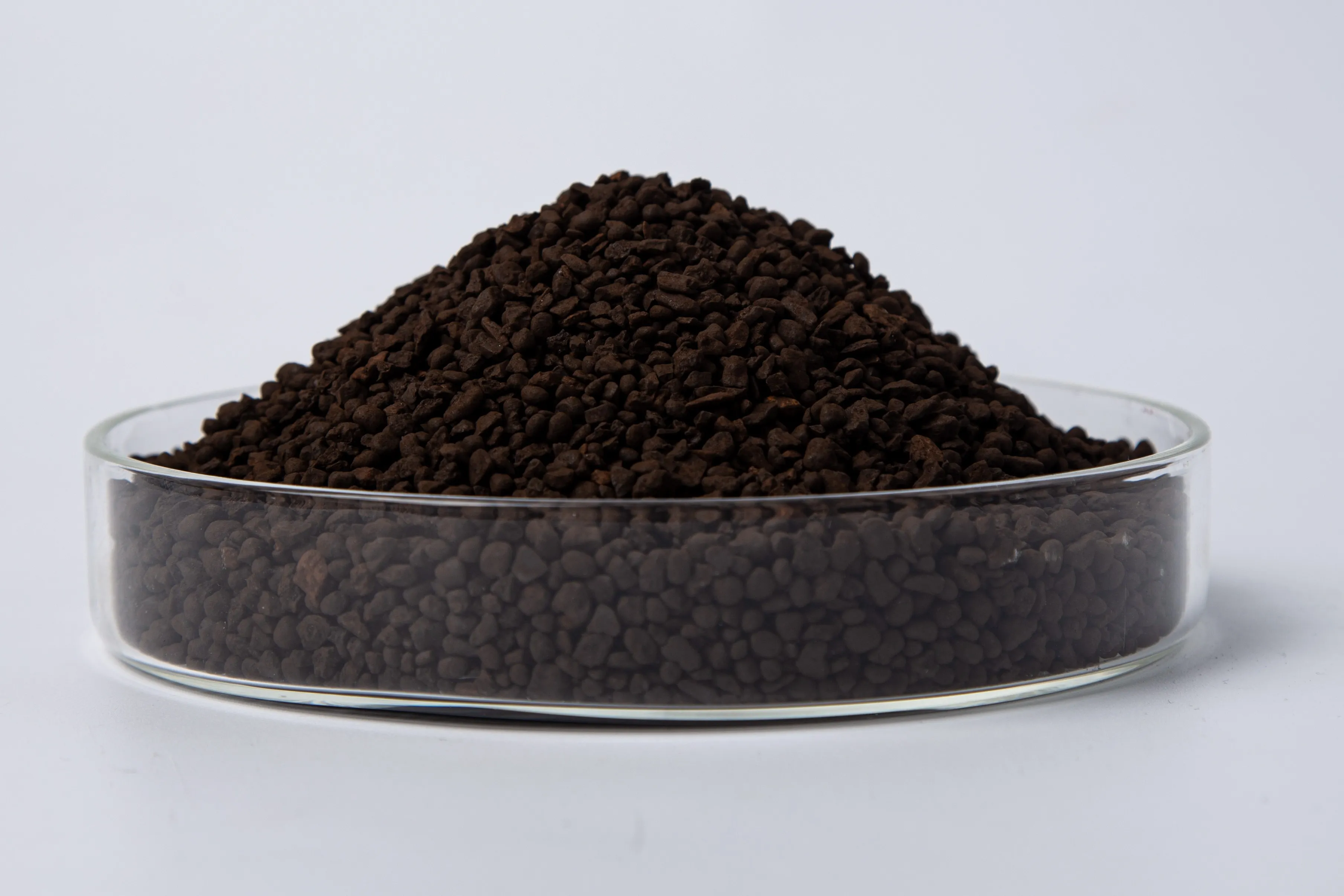
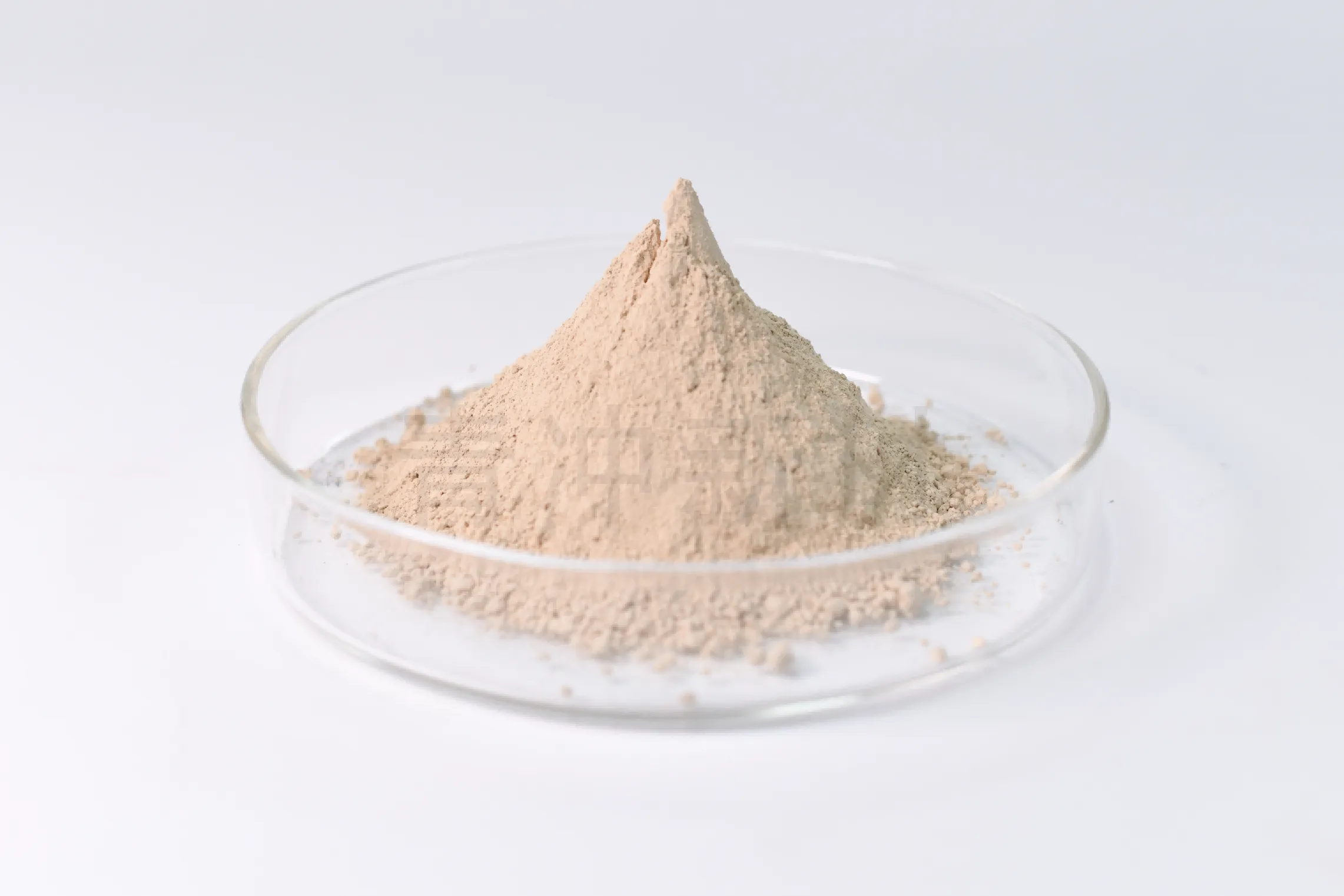
Application of chemical activated carbon and manganese dioxide
chemical activated carbon and manganese dioxide has found its way into glass and ceramics as an effective tool for tuning thermal and optical properties. The presence of the compound has an impact on the melting properties, shifting the refractive index, and altering the rate of crystallization which results in better surface smoothness and translucency. Designers take advantage of chemical activated carbon and manganese dioxide in making special glasses such as lenses, filters, and decorative panels where uniformity and clarity are of utmost importance. Furthermore, the material also has a positive effect on the toughness and resistance to crack formation on a microscopic level. Through the adjustment of concentration and particle size, manufacturers are able to create the desired optical effects and structural performance. Hence, chemical activated carbon and manganese dioxide provides the industry with a dependable material control for the development of new ceramic and glass applications, allowing for the exact customization of thermal, mechanical, and visual properties according to the requirements of a particular industry.
The future of chemical activated carbon and manganese dioxide
In the area of pigments and industrial coatings, chemical activated carbon and manganese dioxide has the potential to take leaps in both functional and aesthetic materials. Through advanced synthesis and particle engineering, color control, opacity, and thermal stability could be made exactly as required. The incorporation of these materials into high-performance paints, ceramics, and special coatings may result in better durability and longer resistance to chemical or mechanical stresses. The demand for more sophisticated surface properties for design and manufacturing would cause chemical activated carbon and manganese dioxide to remain critical in the production of aesthetically pleasing, dependable, and functionally enhanced materials for both industrial and technological applications.
Care & Maintenance of chemical activated carbon and manganese dioxide
Periodic maintenance of chemical activated carbon and manganese dioxide highlights the importance of its physical uniformity. The alteration of texture over time through vibration or long storage might lead to the coalescing of particles, which in turn could affect dispersion during application. Periodic gentle agitation or controlled reconditioning methods help to maintain free-flowing characteristics of the material. Cleaning of the handling equipment used for chemical activated carbon and manganese dioxide should be done regularly to avoid the buildup of residues that could compromise purity. Keeping transfer systems like hoppers and conveyors clean guarantees that the quality of batches remains the same. These maintenance practices contribute to the reliability of material behavior that allows the integration of chemical activated carbon and manganese dioxide into the production process without performance variations due to unexpected reasons.
QingChong chemical activated carbon and manganese dioxide
chemical activated carbon and manganese dioxide is combined with specialty metal alloys to enhance their wear resistance and stability in dimensions. The process alters the melting and freezing behaviour of the material during the heat treatment thus increasing the hardness. The microstructure of precision tools, dies, and instruments has been improved by its influence. The even distribution of particles ensures that the mechanical properties are the same throughout, thus reducing the occurrence of defects. The material allows the alloys to be subjected to extreme mechanical and thermal stresses without getting deformed. chemical activated carbon and manganese dioxide is mainly used by engineers for making durable parts with better performance. Its involvement in processing of metals shows that it has more than the usual alloying applications. It is by the careful incorporation of chemical activated carbon and manganese dioxide that progressive materials capable of withstanding the toughest industrial and technological standards are manufactured.
FAQ
Q: Manganese Carbonate how to contribute alloy production? A: It is an essential source of manganese that plays a significant role in the grain structure, strength, and durability of the alloy via the manufacturing process. Q: What purity levels are Manganese Carbonate accessible to? A: Different grades of purity are made available as per the industrial requirements and application standards. Q: Is Manganese Carbonate only a precursor material? A: Yes, it is frequently used as a precursor for the synthesis of manganese oxides and other manganese-containing compounds. Q: Does Manganese Carbonate support automated processing systems? A: The uniform flow characteristics of the material make it easy to incorporate into automatic feeding and dosing systems. Q: Manganese Carbonate does help batch production consistency? A: The correct processing and storage of the material lead to the same quality of production across several batches.
Reviews
Michael Brown
Using Manganese Filter Media has transformed our water treatment operations. The media’s uniformity and efficiency have improved filtration rates and reduced maintenance. The supplier’s technical support helped us implement it seamlessly into our existing systems.
Olivia Davis
The Chemical Manganese Dioxide we received is highly reactive yet stable for industrial applications. Its fine particle distribution has allowed us to maintain reproducible chemical reactions, increasing productivity and reducing waste significantly.
Latest Inquiries
To protect the privacy of our buyers, only public service email domains like Gmail, Yahoo, and MSN will be displayed. Additionally, only a limited portion of the inquiry content will be shown.
Isabella****@gmail.comUnited Kingdom
Dear team, we would like to purchase Manganese Carbonate for alloy manufacturing. Could you provide ...
Liam****@gmail.comJapan
Dear Supplier, we require Manganese Chloride for chemical synthesis. Please send product specificati...
Related product categories
- drying manganese dioxide activated in Russia
- drying manganese dioxide activated in Saudi Arabia
- drying manganese dioxide activated in Indonesia
- drying manganese dioxide activated in Vietnam
- drying manganese dioxide activated in Philippines
- drying manganese dioxide activated in Spain
- drying manganese dioxide activated in Malaysia
- ACMD in United States
- ACMD in Canada
- ACMD in Australia
- ACMD in United Kingdom
- ACMD in France